Health communications is a delicate art - one that demands a balance between accuracy and accessibility. PR professionals in this field play a crucial role in simplifying intricate medical data into compelling narratives that resonate with diverse audiences.
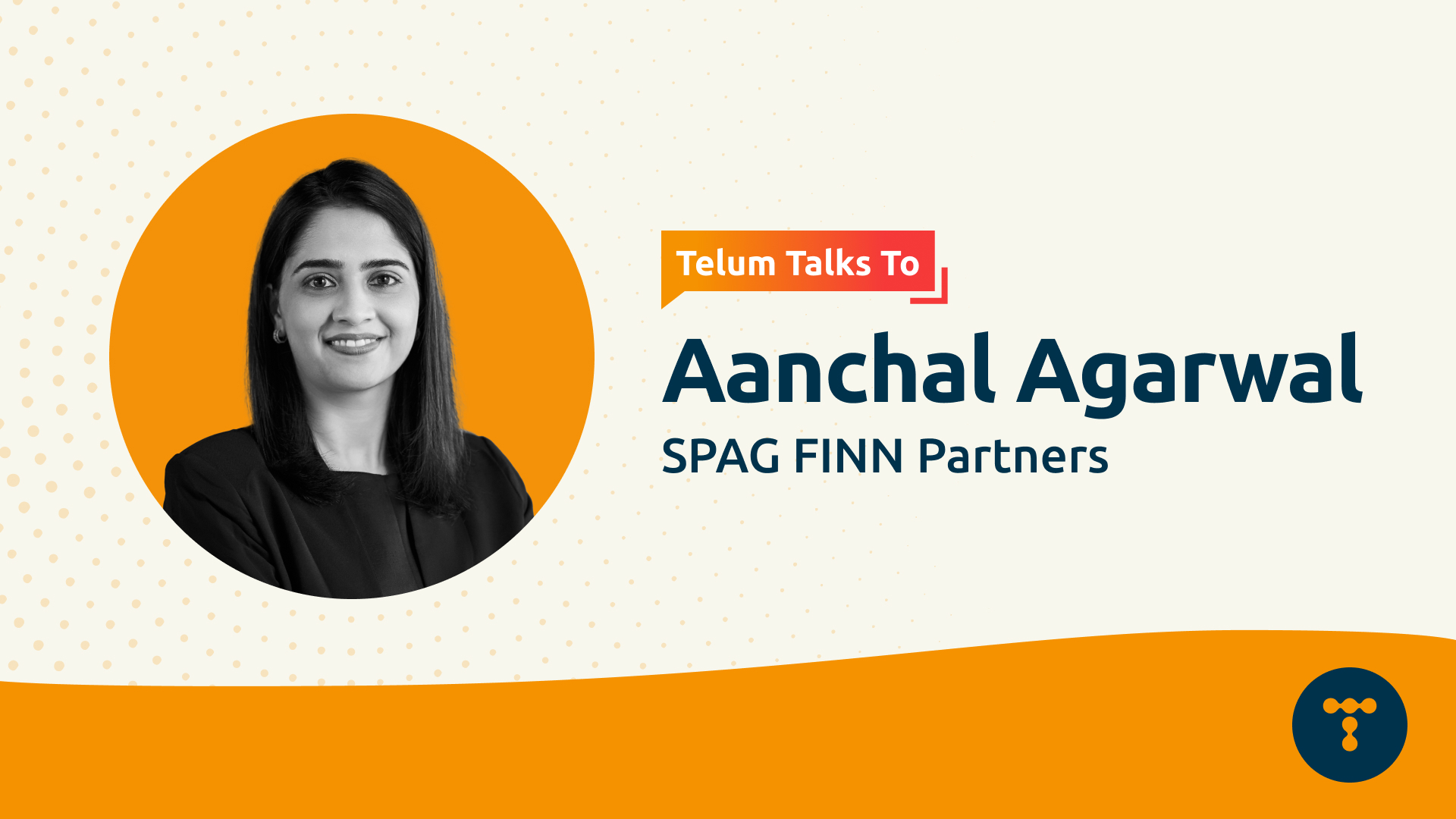
Following the global observance of World Health Day, we caught up with Aanchal Agarwal, Associate Vice President at SPAG FINN Partners, to discuss how PR professionals can navigate the challenges of health communication. From the ethical considerations of data-driven storytelling to fostering trust in an era of misinformation, Aanchal sheds light on the strategies that can empower audiences with accurate, impactful health narratives.
How can PR professionals translate complex medical jargon into content that is both engaging and easy to understand while remaining factual?
As communications professionals in health, we play the role of translators between science and the public. One approach that we follow at SPAG/FINN is starting with empathy - understanding what our audience needs to know and why it matters to them. The key is to simplify without oversimplifying, ensuring accuracy while making the information relatable.
We often use analogies or storytelling techniques to bring medical concepts to life. The real magic happens when you combine facts with emotion, creating content that informs while inspiring action. Additionally, visual aids like infographics and videos help break down complex ideas into digestible formats.
I’ve also learned that collaboration is key. Working with the right stakeholders such as health professionals ensures we remain factually correct while crafting emotionally resonant narratives. Ultimately, our goal is to empower people with knowledge, not overwhelm them with jargon.
What are the ethical considerations of using data-driven storytelling?
Data-driven storytelling is a powerful tool, especially in public health campaigns where numbers often drive the urgency of an issue. However, we must contextualise rather than sensationalise. It's tempting to use data for shock value, but this can erode trust and alienate audiences.
Another key consideration is respecting patient privacy. Sharing real-life patient stories brings authenticity, but we must navigate sensitive conversations and ensure individuals are comfortable sharing their experiences publicly. Balancing transparency with empathy is critical - data is powerful but must be always handled responsibly.
Ultimately, ethical storytelling comes down to intent: Are we using data to empower audiences or manipulate them? For us, it's about striking a balance: using data to inform and inspire without compromising integrity.
In an era of rapidly spreading misinformation, what strategies should be adapted in order to protect public trust and counter false narratives?
Navigating misinformation is one of health communications’ biggest challenges. One strategy that’s always proved effective is partnering with trusted community voices - be it local healthcare providers, health organisations or even influential individuals to amplify accurate information. People are most likely to trust familiar faces over unfamiliar institutions.
Another lesson we always take along is the importance of speed and agility. Misinformation spreads quickly, so monitoring conversations in real-time allows us to identify false narratives early and respond swiftly with fact-based content.
Education also plays a key role in combating misinformation. When we look at public health campaigns, we often explore developing tools that can empower patients on how to evaluate information. Public trust hinges on consistency; it’s always important to be transparent, responsive and evidence-driven in every interaction, where possible.
What role does proactive media engagement play in shaping accurate health narratives?
Today, proactive media engagement isn't just about pitching stories- it’s about co-creating narratives with media and influencers who truly understand health topics. In my experience, impactful stories often come from investing time in educating media about complex issues, even before reporting begins.
A key strategy (which isn’t groundbreaking) is nurturing relationships with the right voices, providing them with timely access to experts and resources, without pushing a specific agenda.
Social media has transformed this into a dynamic process. It’s about creating ecosystems where accurate information thrives organically rather than forcing it through traditional channels. Proactive media engagement now goes beyond dissemination; it's about encouraging informed decision-making, especially in health.
How has the advancement of digital health shaped inclusive health communication strategies?
Digital health has been a game-changer for inclusive communication strategies, making information more accessible and personalised. From telemedicine to wearables, each advancement opens new avenues for reaching diverse audiences.
Inclusive communication starts with understanding audience needs, language preferences, cultural sensitivities etc, and tailoring content accordingly. For instance, creating multilingual campaigns or optimising websites for screen readers can make a world of difference.
However, digital inclusivity isn’t just about technology, it’s about listening deeply to communities and co-creating solutions that address specific needs. Whether it’s ensuring accessibility for people with disabilities or designing campaigns that reflect cultural nuances, digital tools have given us the ability to connect more meaningfully than ever before, but only if we use them thoughtfully and empathetically.
Following the global observance of World Health Day, we caught up with Aanchal Agarwal, Associate Vice President at SPAG FINN Partners, to discuss how PR professionals can navigate the challenges of health communication. From the ethical considerations of data-driven storytelling to fostering trust in an era of misinformation, Aanchal sheds light on the strategies that can empower audiences with accurate, impactful health narratives.
How can PR professionals translate complex medical jargon into content that is both engaging and easy to understand while remaining factual?
As communications professionals in health, we play the role of translators between science and the public. One approach that we follow at SPAG/FINN is starting with empathy - understanding what our audience needs to know and why it matters to them. The key is to simplify without oversimplifying, ensuring accuracy while making the information relatable.
We often use analogies or storytelling techniques to bring medical concepts to life. The real magic happens when you combine facts with emotion, creating content that informs while inspiring action. Additionally, visual aids like infographics and videos help break down complex ideas into digestible formats.
I’ve also learned that collaboration is key. Working with the right stakeholders such as health professionals ensures we remain factually correct while crafting emotionally resonant narratives. Ultimately, our goal is to empower people with knowledge, not overwhelm them with jargon.
What are the ethical considerations of using data-driven storytelling?
Data-driven storytelling is a powerful tool, especially in public health campaigns where numbers often drive the urgency of an issue. However, we must contextualise rather than sensationalise. It's tempting to use data for shock value, but this can erode trust and alienate audiences.
Another key consideration is respecting patient privacy. Sharing real-life patient stories brings authenticity, but we must navigate sensitive conversations and ensure individuals are comfortable sharing their experiences publicly. Balancing transparency with empathy is critical - data is powerful but must be always handled responsibly.
Ultimately, ethical storytelling comes down to intent: Are we using data to empower audiences or manipulate them? For us, it's about striking a balance: using data to inform and inspire without compromising integrity.
In an era of rapidly spreading misinformation, what strategies should be adapted in order to protect public trust and counter false narratives?
Navigating misinformation is one of health communications’ biggest challenges. One strategy that’s always proved effective is partnering with trusted community voices - be it local healthcare providers, health organisations or even influential individuals to amplify accurate information. People are most likely to trust familiar faces over unfamiliar institutions.
Another lesson we always take along is the importance of speed and agility. Misinformation spreads quickly, so monitoring conversations in real-time allows us to identify false narratives early and respond swiftly with fact-based content.
Education also plays a key role in combating misinformation. When we look at public health campaigns, we often explore developing tools that can empower patients on how to evaluate information. Public trust hinges on consistency; it’s always important to be transparent, responsive and evidence-driven in every interaction, where possible.
What role does proactive media engagement play in shaping accurate health narratives?
Today, proactive media engagement isn't just about pitching stories- it’s about co-creating narratives with media and influencers who truly understand health topics. In my experience, impactful stories often come from investing time in educating media about complex issues, even before reporting begins.
A key strategy (which isn’t groundbreaking) is nurturing relationships with the right voices, providing them with timely access to experts and resources, without pushing a specific agenda.
Social media has transformed this into a dynamic process. It’s about creating ecosystems where accurate information thrives organically rather than forcing it through traditional channels. Proactive media engagement now goes beyond dissemination; it's about encouraging informed decision-making, especially in health.
How has the advancement of digital health shaped inclusive health communication strategies?
Digital health has been a game-changer for inclusive communication strategies, making information more accessible and personalised. From telemedicine to wearables, each advancement opens new avenues for reaching diverse audiences.
Inclusive communication starts with understanding audience needs, language preferences, cultural sensitivities etc, and tailoring content accordingly. For instance, creating multilingual campaigns or optimising websites for screen readers can make a world of difference.
However, digital inclusivity isn’t just about technology, it’s about listening deeply to communities and co-creating solutions that address specific needs. Whether it’s ensuring accessibility for people with disabilities or designing campaigns that reflect cultural nuances, digital tools have given us the ability to connect more meaningfully than ever before, but only if we use them thoughtfully and empathetically.
-1.jpg)
-1.jpg)