Brand ambassadors may serve as powerful marketing assets, but can also present reputational risks.
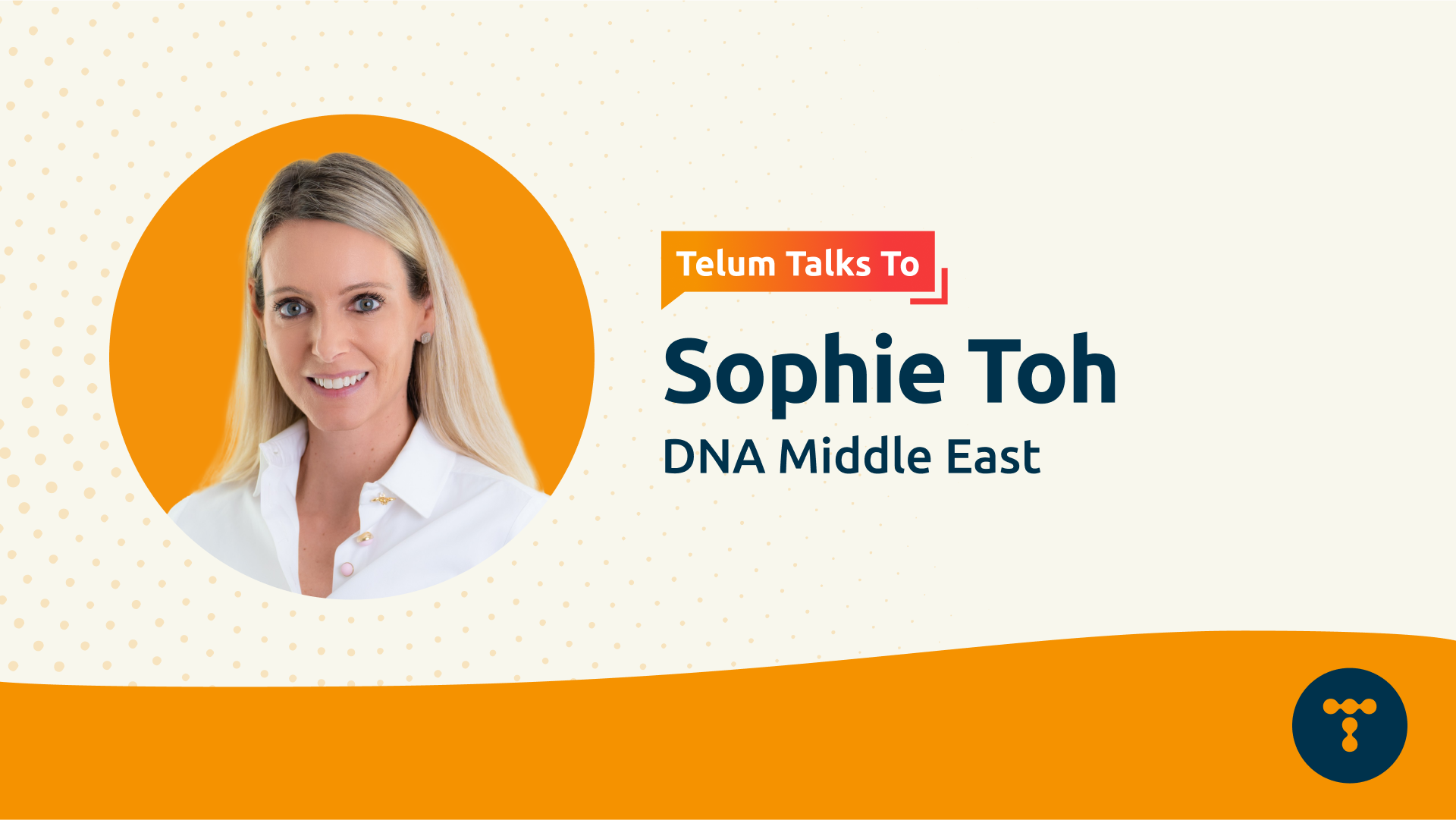
Telum Media spoke with industry expert Sophie Toh, Managing Director of DNA Middle East, as she highlighted the crucial role PR plays in guiding this strategic collaboration.
Congratulations on the launch of DNA Middle East! Could you tell us briefly about your new role here?
Earlier this year, DDA launched DNA - its dedicated brands division. My role is to lead DNA Middle East, taking my 15 years of communications experience in the region and combining it with DDA's long-standing entertainment relationships to offer talent management, partnerships, communications, influencers and social and event production across the GCC.
We believe that the most effective campaigns tap into the zeitgeist, creating a powerful cumulative effect and are leveraging our long-standing entertainment, brand, hospitality and luxury relationships across the region for authentic cultural storytelling.
I'm excited about what marks my next move after the completion of the merger of TOH PR within the PRCO Group, as DNA represents an exciting new platform for me to build on my experience and pursue my purpose of developing talent and business innovation within the GCC.
Why has the Middle East become such a strategic focus for brand and entertainment partnerships?
I've chosen to focus my career on the Middle East and I'm encouraged by the growing importance this part of the world plays within the world's cultural, luxury and brand ecosystem.
There are a number of factors at play here, including rapid economic diversification and the level of government investment into tourism, culture, sport and media. There is also an incredible focus on the backing of creative hubs, festivals, film commissions and entertainment events to put the region on the global stage.
It's also important to note the grassroots support for this emergence, with over 60% of the region's population under the age of 30, and a hyper-connected, digitally sophisticated society with high incomes and a huge appetite for new and unique experiences.
Celebrity and influencer partnerships can make or break a brand. What role does PR play in ensuring these collaborations land well?
Oh, it's important! A coherent and intelligent communications plan is vital in ensuring the relevance and amplification of these collaborations. Assuming the ambassador is the 'right fit' for the brand, the reach, engagement and word of mouth endorsement around the partnership is driven by skilful strategic planning, creative thinking and implementation of social, media and event activations.
Otherwise, the partnership will exist only in the realm of the influencer's existing ecosystem and runs the risk of failing entirely and does not work for the brand.
What key considerations should PR professionals factor in when finding the � right partner�?
PR professionals really need to do their homework and thorough due diligence when choosing a face or ambassador. This is especially true in the Middle East, where geopolitical factors and personal beliefs can flare up quickly and become incredibly divisive.
Aligning, for example, with an individual with controversial political beliefs - however subtly expressed - can make or break a brand in a matter of hours.
How do PR teams stay on their toes and respond confidently when controversies hit a brand partner?
PR teams must plan well for a crisis and be on the front foot when it comes to communicating - hiding and silence from a brand is the worst option and will only fuel speculation and gossip.
We are the first line of defence, and need to smoothly kick in with our rehearsed scenarios and playbooks when issues arise. Ideally, we catch small challenges before they go viral, get on the front foot, respond and own the narrative fast.
You do see a lot of ambassadors being dropped suddenly by brands and cancelled by the world at large, and I think it's a shame that our culture often demands this as the only solution to controversy - we should be able to tolerate nuanced debate and hold space for contrasting views. But in the world that we live in, well-managed crisis communications becomes all-important!
Telum Media spoke with industry expert Sophie Toh, Managing Director of DNA Middle East, as she highlighted the crucial role PR plays in guiding this strategic collaboration.
Congratulations on the launch of DNA Middle East! Could you tell us briefly about your new role here?
Earlier this year, DDA launched DNA - its dedicated brands division. My role is to lead DNA Middle East, taking my 15 years of communications experience in the region and combining it with DDA's long-standing entertainment relationships to offer talent management, partnerships, communications, influencers and social and event production across the GCC.
We believe that the most effective campaigns tap into the zeitgeist, creating a powerful cumulative effect and are leveraging our long-standing entertainment, brand, hospitality and luxury relationships across the region for authentic cultural storytelling.
I'm excited about what marks my next move after the completion of the merger of TOH PR within the PRCO Group, as DNA represents an exciting new platform for me to build on my experience and pursue my purpose of developing talent and business innovation within the GCC.
Why has the Middle East become such a strategic focus for brand and entertainment partnerships?
I've chosen to focus my career on the Middle East and I'm encouraged by the growing importance this part of the world plays within the world's cultural, luxury and brand ecosystem.
There are a number of factors at play here, including rapid economic diversification and the level of government investment into tourism, culture, sport and media. There is also an incredible focus on the backing of creative hubs, festivals, film commissions and entertainment events to put the region on the global stage.
It's also important to note the grassroots support for this emergence, with over 60% of the region's population under the age of 30, and a hyper-connected, digitally sophisticated society with high incomes and a huge appetite for new and unique experiences.
Celebrity and influencer partnerships can make or break a brand. What role does PR play in ensuring these collaborations land well?
Oh, it's important! A coherent and intelligent communications plan is vital in ensuring the relevance and amplification of these collaborations. Assuming the ambassador is the 'right fit' for the brand, the reach, engagement and word of mouth endorsement around the partnership is driven by skilful strategic planning, creative thinking and implementation of social, media and event activations.
Otherwise, the partnership will exist only in the realm of the influencer's existing ecosystem and runs the risk of failing entirely and does not work for the brand.
What key considerations should PR professionals factor in when finding the � right partner�?
PR professionals really need to do their homework and thorough due diligence when choosing a face or ambassador. This is especially true in the Middle East, where geopolitical factors and personal beliefs can flare up quickly and become incredibly divisive.
Aligning, for example, with an individual with controversial political beliefs - however subtly expressed - can make or break a brand in a matter of hours.
How do PR teams stay on their toes and respond confidently when controversies hit a brand partner?
PR teams must plan well for a crisis and be on the front foot when it comes to communicating - hiding and silence from a brand is the worst option and will only fuel speculation and gossip.
We are the first line of defence, and need to smoothly kick in with our rehearsed scenarios and playbooks when issues arise. Ideally, we catch small challenges before they go viral, get on the front foot, respond and own the narrative fast.
You do see a lot of ambassadors being dropped suddenly by brands and cancelled by the world at large, and I think it's a shame that our culture often demands this as the only solution to controversy - we should be able to tolerate nuanced debate and hold space for contrasting views. But in the world that we live in, well-managed crisis communications becomes all-important!
-1.jpg)
.png)