

As Pride Month begins, public-facing LGBTQ+ campaigns across the Asia Pacific and beyond appear to be more subdued in comparison to previous years. For communications teams, the shift raises a more complex question than whether brands are pulling back or simply evolving.
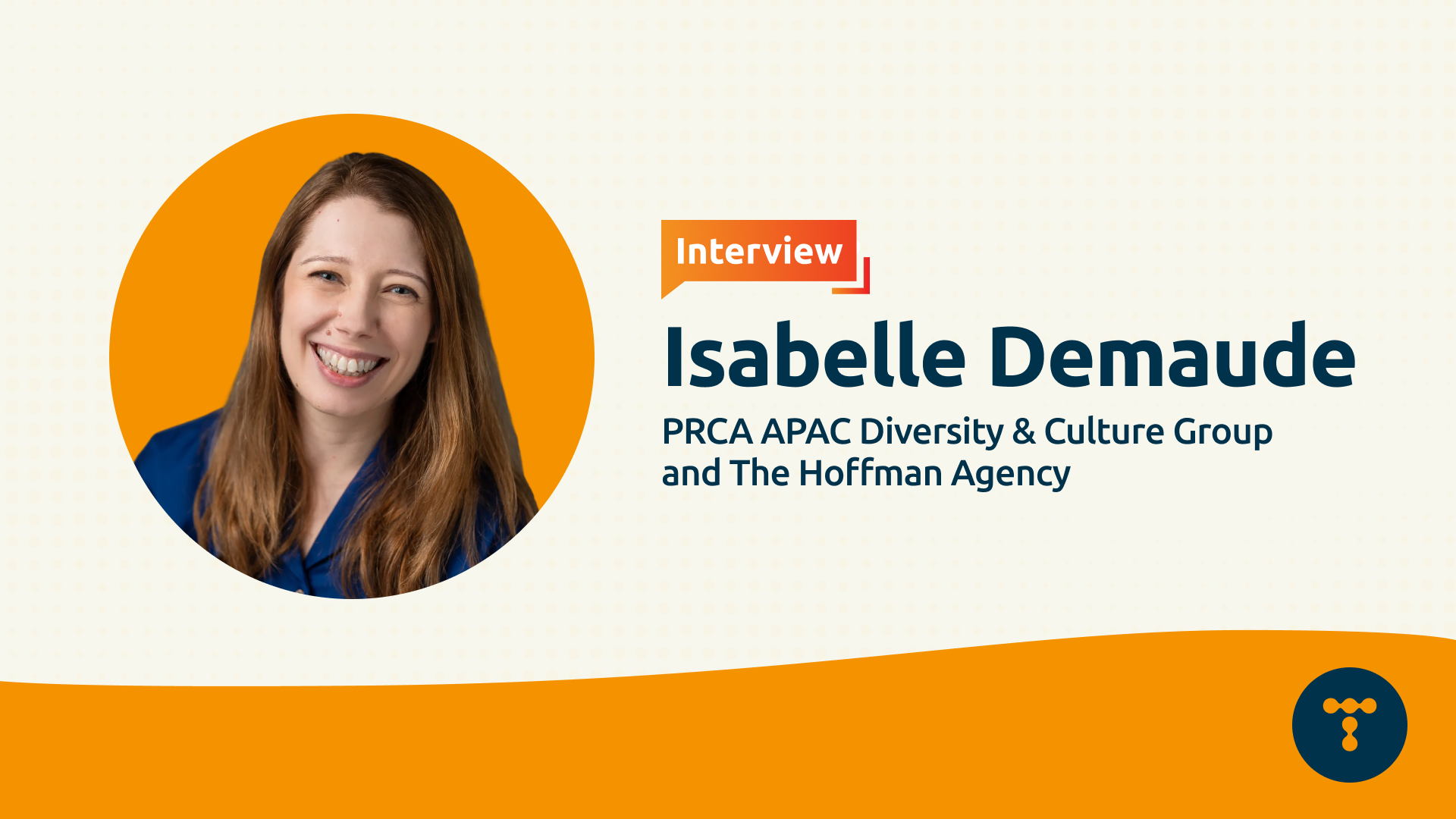
Isabelle Demaude, Head of Executive Training & Development at The Hoffman Agency and Diversity & Culture Group Chair at PRCA APAC, spoke to Telum Media about inclusive policies, leadership representation in market-sensitive communications, and how brands can show support.
We've seen fewer large-scale public Pride campaigns globally in recent years, with many brands instead shifting towards quieter internal inclusion efforts and year-round DEI initiatives. In your view, does this reflect a decline in corporate support or an evolution in how brands are approaching LGBTQ+ engagement?
Earlier this year, March was also suspiciously quiet. A month that used to overflow with purple panels, empowerment campaigns, and corporate declarations of solidarity, instead continued with business as usual.
Now we're entering June - historically synonymous with logos turning into rainbows - and this year feels decidedly muted.
Does this reflect a decline or an evolution? Probably both.
There are organisations that have genuinely shifted towards year-round inclusion work: embedding representation in hiring practices, sponsorship decisions, and leadership pipelines rather than concentrating energy into a single awareness month. That is, unambiguously, progress.
But I'd be cautious about using that framing as a blanket explanation. From speaking with global peers, I haven't heard of significant evidence that education and internal celebrations are happening in many organisations.
The data is worth noting: women's representation in senior leadership has stalled - and in some markets, begun to decline - as of early 2026, reversing years of gradual progress (The State of Women in Leadership 2026, LinkedIn Economic Graph). Meanwhile, social media platforms are becoming measurably less safe for LGBTQ+ users (Social Media Safety Index 2026, GLAAD).
A quieter public posture is understandable in a volatile geopolitical climate. But what concerns me is whether it reflects genuine commitment or simply the quiet comfort of returning to familiar leadership profiles and corporate structures.
There's growing criticism around "performative allyship" and rainbow-washing. From a communications perspective, what now separates an authentic Pride campaign from one that feels purely symbolic?
The difference is almost always visible in the infrastructure, not the campaign.
What needed to be asked: Who was promoted this quarter? Who received a stretch assignment? Who shaped the strategy, and did they represent the communities the campaign claimed to champion? A Pride campaign launched by a leadership team that looks exactly the same as it did five years ago isn't allyship. It's marketing.
Authentic communications in this space tend to be specific, internally consistent, and a little quieter. They name real programmes, real people, and real accountability measures. They don't need superlatives. The organisations that actually do this work rarely need to announce it loudly. The evidence shows up in who holds influence when the spotlight isn't on.
How are brands in Asia Pacific adapting their LGBTQ+ inclusion strategies to reflect differing cultural and political sensitivities across markets such as Singapore, Thailand, Australia, Taiwan, and more conservative markets?
This is where generalisations tend to break down fastest, and where I think the real sophistication in communication lies.
APAC is not a monolith. Taiwan has marriage equality. Singapore has repealed Section 377A, but messaging remains nuanced. Thailand's cultural openness coexists with complex legal frameworks. Australia operates under entirely different social expectations.
A single regional strategy is not just inadequate, it's a reputational risk.
What I see the more considered brands doing is separating their internal commitment from their external expression. The internal work, such as inclusive policies, psychological safety, and representation in decision-making, can and should be consistent.
External communications are calibrated market by market and informed by genuine cultural intelligence rather than by headquarters-led assumptions about what "inclusive" looks like.
As Pride communications evolve, what are the most meaningful ways brands and PR agencies can continue to support LGBTQ+ communities beyond Pride Month?
The honest answer is: it's less about communications and more about organisational behaviour.
The most meaningful thing a brand can do for LGBTQ+ communities is ensuring that the people who represent those communities are trusted with decisions, resources, and visibility - not just for one month, but consistently. That means auditing who is sponsored, whose ideas move forward, and whose voice shapes the product or policy.
For those of us in comms, the opportunity often isn't in the Pride campaign at all - it's in the conversations that happen the rest of the year. Employer branding, talent attraction, and market entry into more progressive markets are the moments when inclusion stops being a values statement and starts being a business argument.
That's where PR professionals can quietly reintroduce the conversation, and where brands tend to be most receptive to it.
But it only works if there's something real to say. I've had companies approach me to write hiring pages, positioning themselves as inclusive employers. However, when I asked for the evidence, the initiatives, the actual company stance, the answer was to make it up.
We turned them down. There's no communications strategy that fixes an empty brief.
Publsh Group adds two wins to its portfolio
You might also enjoy
-1.jpg)
-1.jpg)
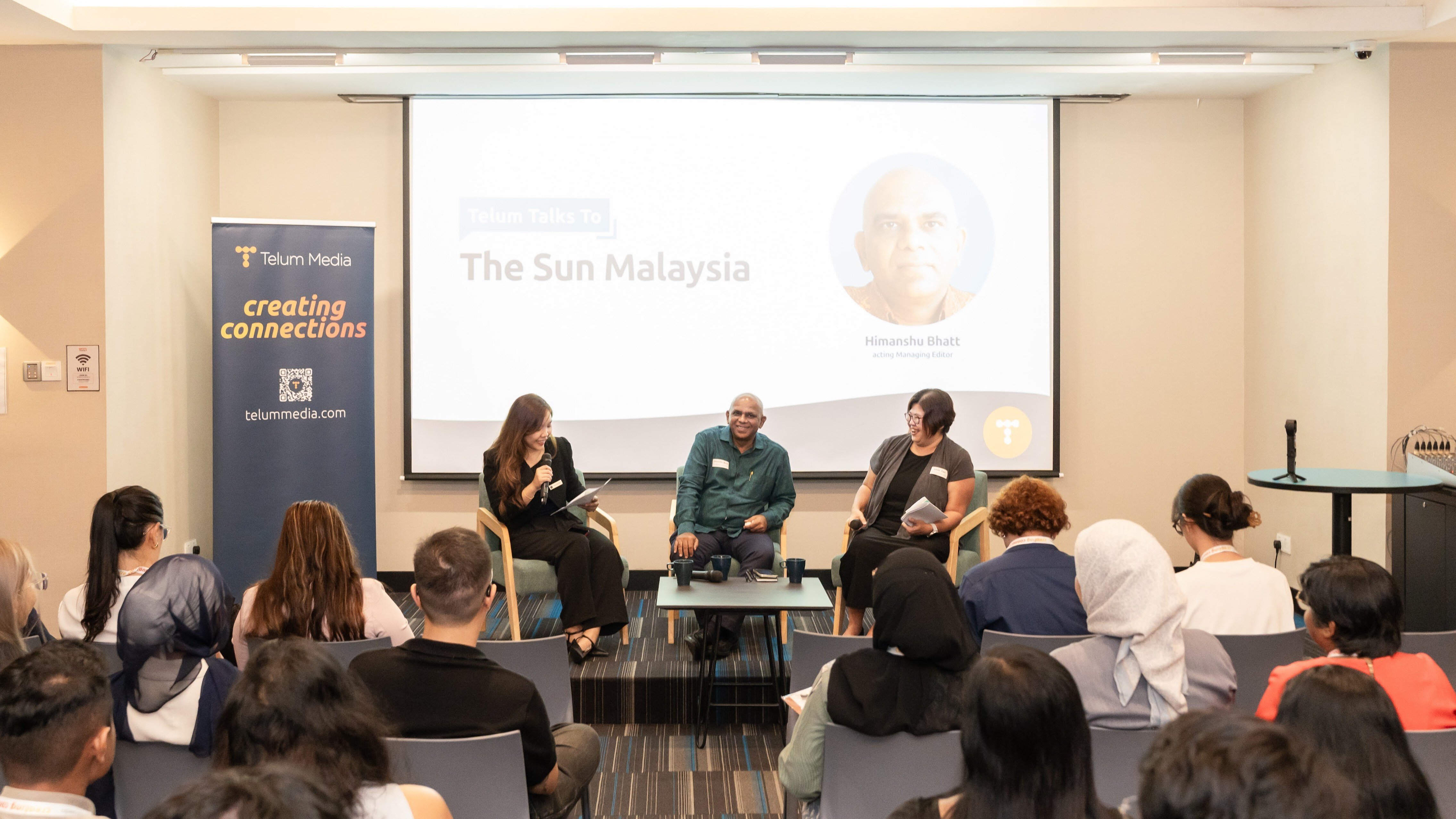
On 14th October 2026, Telum Media hosted an exclusive in-person discussion in Kuala Lumpur featuring Himanshu Bhatt, Acting Managing Editor of The Sun Malaysia. The session was also joined by Irene Tan, the publication's General Manager of Advertising and Marketing.
Moderated by Mary-Jane Tan from Telum Media, the discussion explored The Sun Malaysia’s core audience across its print and digital platforms, alongside its editorial priorities and the evolving trends shaping news consumption. More than 100 PR and communications professionals in attendance also gained insights into identifying stories that resonate with everyday readers.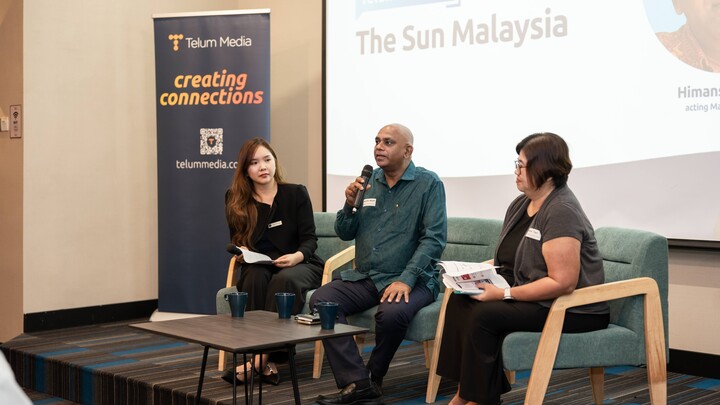
During the session, Irene urged communicators to move beyond hard-sell approaches by offering relevant knowledge, timely insights and valuable information that reflect current trends and wider public interests.
The discussion also covered how communicators can develop compelling story angles to improve their chances of securing mainstream media coverage. Tips included demonstrating a direct impact on consumers, addressing wider industry issues and offering solutions to societal challenges.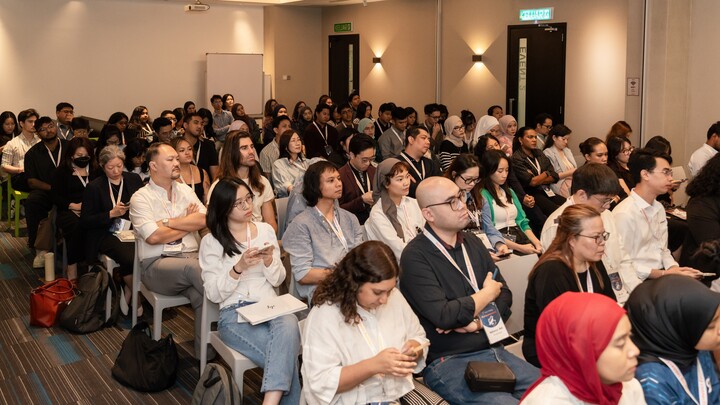
In the audience Q&A segment, communicators representing different sectors shared their respective concerns and sought editorial suggestions. The segment also addressed questions about pitching and the current media landscape.
Stay tuned for more Telum Media events by subscribing to our News Alerts for the latest updates.