The first crisis I managed was simply handed to me. I was working in an integrated agency and the media team called in a panic as their top client was being eviscerated in the media over an unfortunate incident.
They needed me to go to their office, set up a war room, and shepherd them through the situation until everything calmed down. When the executives did not want to expose themselves to media inquiries, I agreed under duress to speak on behalf of the brand as well. Nobody asked whether I felt ready, and it didn't occur to me to say that I wasn't.
I had watched enough senior people handle enough difficult moments to know roughly what good looked like, and I didn't want to fumble the pass. The risk was real, both for the client and for the person who had put their name behind me.
I've been thinking about that moment a lot. After 25 years in this industry, I'm not sure we are very deliberate about how we help people move from very good practitioner to genuinely senior adviser.
We promote people because they're excellent at execution. They're the safe pair of hands who can steady a difficult account or step in when something goes wrong, and the better they get, the more execution we give them. Then at some point we tell them they need to be "more strategic". That feedback sounds useful and explains almost nothing.
What exactly are we asking someone to do differently?
For me, primarily, the answer is judgement.
A strong practitioner can answer the brief, while a senior adviser can tell when the brief is solving the wrong problem. They can sit with ambiguity, read what's happening in the business beyond communications, and recommend a course of action when there's no obvious right answer, even one that doesn't involve them.
You can teach frameworks for judgement, but I don't think a training programme alone builds it. Most of it comes from being close enough to consequential decisions to see how they're made. Then you make some of them yourself, with someone experienced enough to challenge your thinking afterwards.
The chicken and egg problem
In agencies, that is exactly where it gets difficult. When a client is paying for senior counsel, they expect senior people. If the CEO has a reputational problem, nobody on the client side is wondering whether this is a good development moment for an emerging leader. So, the senior person steps in and leads, while the mid-level practitioner observes and takes the actions away.
Do that often enough and you create a strange loop. We can't give someone the responsibility because they lack the experience, and they can't get the experience because we won't give them the responsibility.
What breaks the loop is graduated practice.
Someone can prepare the recommendation before they're responsible for delivering it, or lead part of the meeting before they lead all of it. Instead of handing them the answer to execute, a senior leader can hand them the problem and ask, "What do you think we should do?" Done well, the client still gets the standard they're paying for and the person still carries something real.
The conversation afterwards matters as much as the opportunity itself. Asking someone why they made a particular call and what they might have missed is far more useful than telling them to be more strategic. The senior leader can then explain what they saw differently and why. That's how pattern recognition built over years starts to move out of the most experienced heads in the business and into other people's.
Apprenticeship has to be deliberate
As I was coming up in my career, I learned best when I was able to debrief and talk through what we could all take from different kinds of situations, and not only the ones that went badly.
I came up in an industry where much of this happened by accident. I was in the office every single day, sometimes on the weekends, often staying overtime. I sat in meetings and stayed while things were worked out, and often, simply because I was there, I was thrown into something because no one else could.
Plenty of that deserved to change. Long hours aren't a development strategy, and younger practitioners are right to question norms my generation simply accepted. I suspect, though, that in losing some of those norms we also lost the apprenticeship that came with them.
Hybrid working has cut how much people absorb just by being in close proximity to the action, and clients are rightly scrutinising what they pay for. The moments when someone could watch senior decisions being made and gradually join in now have to be created on purpose.
Opportunities are a two-way street
I'd like the learning back without the parts nobody should miss. This is also why I have less patience than I used to for the version of this conversation that puts everything on the organisation.
Exposure and opportunity matter, and managers should rightly provide them. If a junior feels like they are never invited to bat, they have cause to complain. But when that door does open, you have to walk through it properly.
If you're asked to present part of the recommendation, prepare as though you own all of it. If you're invited into a difficult meeting, understand the problem well enough to explain what you would have done. There is disappointment when these opportunities are not recognised and taken advantage of as they should be.
This matters most when someone senior has spent a little of their own credibility on you. They may have persuaded a client you were ready for part of the conversation or held back when it would have been faster to step in themselves. You don't have to be perfect because the whole point is that you're learning. You just have to take it seriously.
Knowing when to step away
Some of the most satisfying moments of my career have come from giving someone junior the chance to punch above their weight and watching them rise to it. It doesn't always work and that’s always going to be a risk leaders have to accept.
I wrote in my last column about sending an account director to their first regional meeting and they walked away from it feeling like they did not meet the expectation. They took it hard and I knew it was tough on them. But I'd still rather someone stumble occasionally while stretching than never find out what they're capable of.
Senior communications counsel has always been an apprenticeship, however much we frame it in terms of training, competencies, and career pathways. You get better at judgement by exercising it, ideally with someone close enough to stop the consequences becoming catastrophic and thoughtful enough to explain what you couldn't yet see.
For those of us already in senior roles, that means resisting the urge to take over just because we'd get it done faster. For the people coming through, it means being ready and willing to jump because the career-making opportunity almost always arrives unannounced. It usually looks like a messy problem, or a senior person turning to you in a meeting and asking what you think. It never arrives as an invitation with your name on it, wrapped in a neat bow.
Mine looked like a panicked phone call from the media team. That crisis set me up for future success, although it did not feel like it at that time. Speaking for the brand was a rookie mistake and I am certain I could have handled it better. The adviser I became would have recommended a course of action that didn't involve me.
But it took making that mistake of saying "yes" to make sure that the next time the call came, I knew with absolute certainty which one to make.
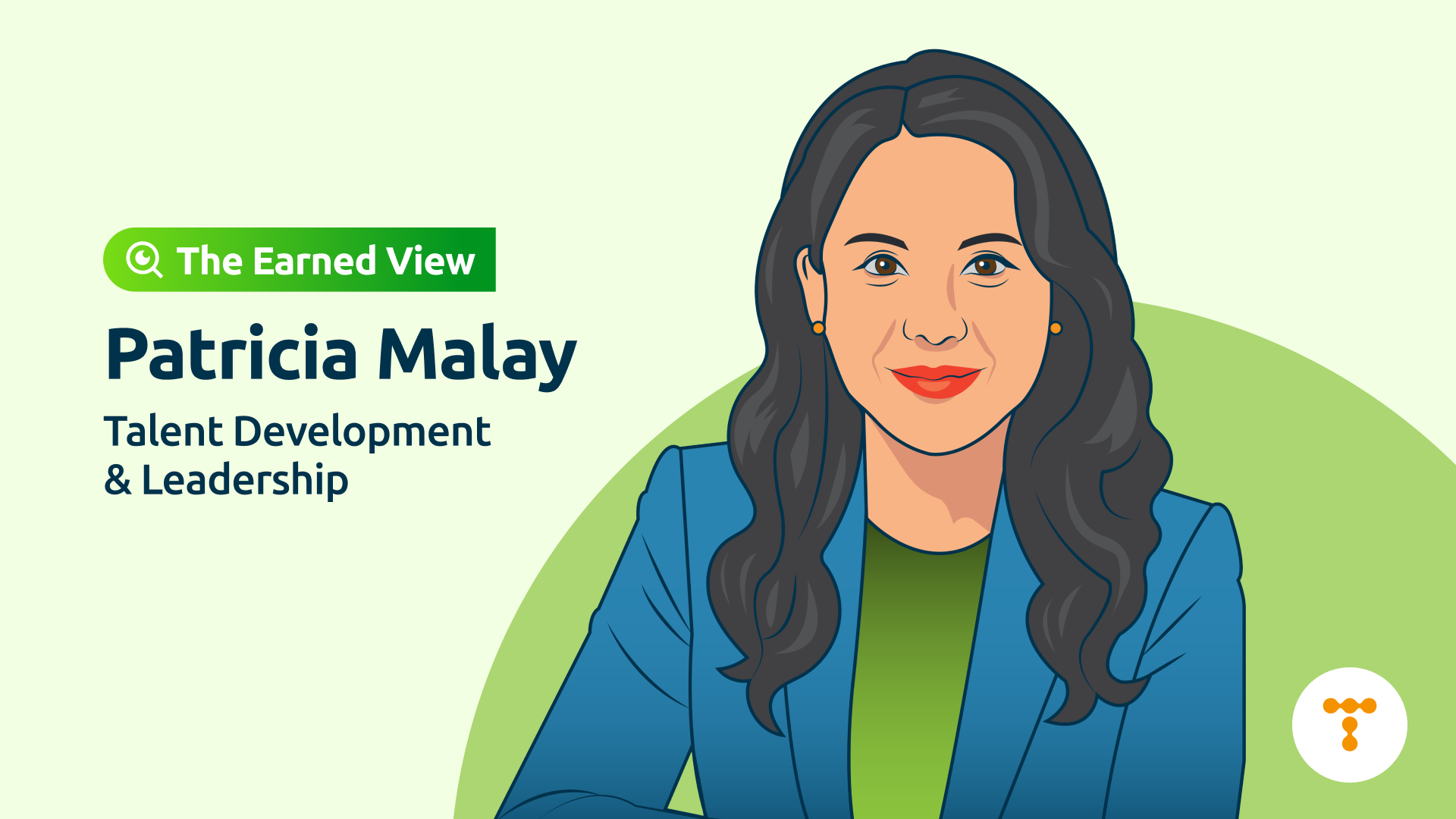
Patricia Malay is General Manager of Bud Communications, an independent PR and content agency operating across Asia Pacific, and founder of Candour Leads, an advisory practice for leaders navigating transitions and organisational change.
With over 20 years of experience across agency and in-house roles - including positions at FleishmanHillard, Havas, Burson, and Ogilvy - she has built a reputation for exploring the human dimensions of communications work: how talent develops, how leaders communicate honestly, and how organisations build cultures where capable people choose to stay and grow. Patricia is based in Singapore and writes regularly on AI's impact on communications careers, regional talent development, and the gap between what leaders know and what they say.
Read more from our columnists in The Earned View