Independent earned-first creative agency, We Are Different, has announced new senior appointments, promotions, and expanded training initiatives.
The agency said the decision comes amid growing market volatility, as it invests in creative leadership, talent, and culture to drive sustainable growth and long-term client value across its PR, social, and influencer divisions.
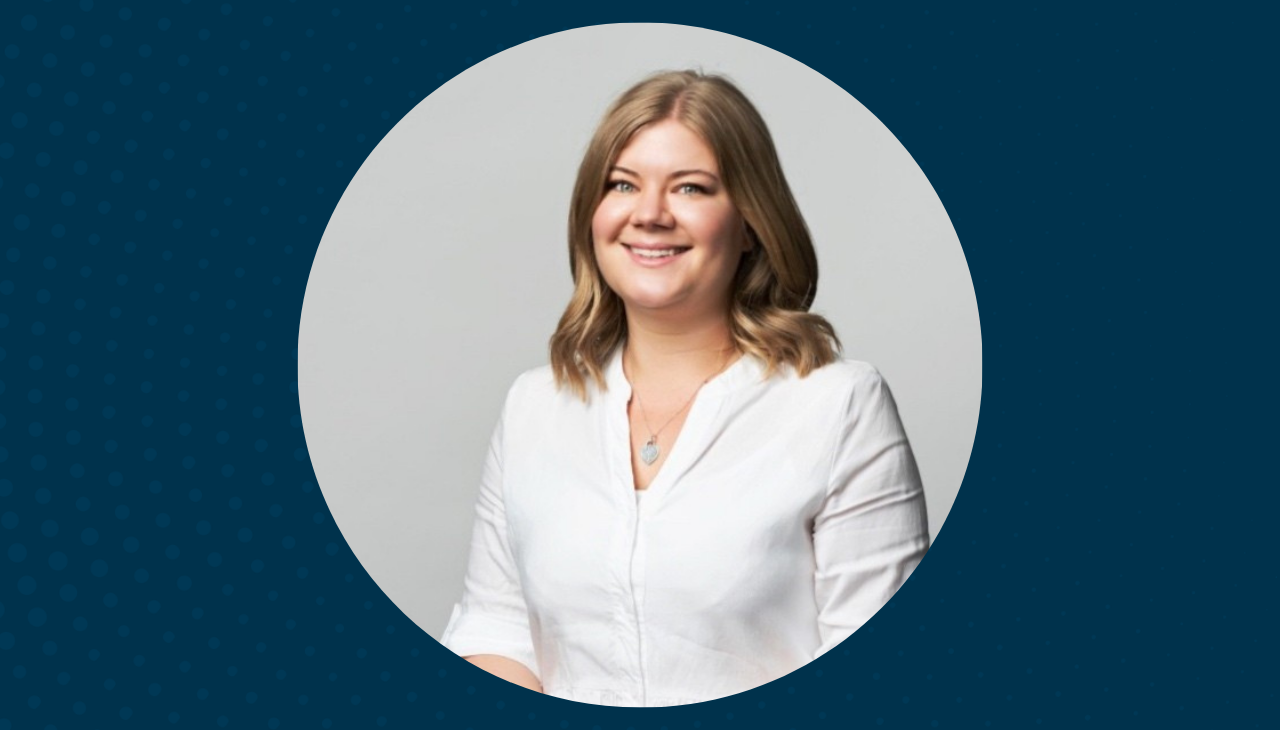
Jenna Orme has joined the senior leadership team as Head of Difference. Formerly Managing Director at TBWA's FleishmanHillard, she brings more than 18 years of global agency experience across business leadership, integrated comms, and crisis management. In the new role, Jenna will be in charge of strengthening the agency's people-first approach, focusing on team growth and creative excellence.
Siobhan Veddovi-McCaughan has been promoted to Group Performance Director, stepping into the senior leadership team after joining the agency in January 2024. She has delivered work across consumer tech, travel, and food and beverage verticals, and will now oversee earned-first creative work, client partner performance, and team development.
The agency has also welcomed Helaina Young as Performance Executive within its earned division, joining from alt/shift/ in a newly created role.
Alongside new hires and promotions, Different has announced investment in staff development initiatives:
Coaching Culture
Led by industry veteran and former One Green Bean CEO, Claire Salvetti, this initiative gives Different's team members access to an executive coach for one-on-one and group sessions. The program aims to unlock leadership capability at every level by building confidence, sharpening judgement, and affirming the power of doing things differently.
Culture Club
The program draws inspiration from counter-culture movements - from art to astrology, and activism to the creator economy - to provoke different thinking and sharpen cultural instinct. The result is fresher thinking, stronger collaboration, and more culturally resonant work for clients.
Different Academy
The program blends hands-on learning, live client briefs, and applied AI capability to upskill the next generation of earned-first leaders. It embeds learning into the agency's day-to-day operations, improving strategy, creative, client outcomes.
"When teams are supported, challenged and trusted, it shows up in the work," said We Are Different Founder and Director, Stuart Terry.
"We're offering clients an agency culture where ambitious people at all levels are empowered to do the best work of their careers. Partners feel that in the passion of the team, the quality of the thinking and the great results we achieve together."
He added that investing in people remains the agency's competitive edge.
"It's fundamental to do work that earns attention, builds trust, and delivers real commercial impact. Our clients benefit from teams that combine craft excellence with a genuine desire to do things differently."
We Are Different drives growth with senior talent and development initiatives
Telum Media creating connections
Get in touch to learn more
iD Collective grows client portfolio
You might also enjoy
Strategic communications consultancy, Sefiani, part of Clarity Global, has released a new study indicating that 84 per cent of Australian marketing and comms leaders disagree on who "owns" AI visibility, while the remaining 16 per cent take an integrated approach.
Conducted by OnePoll on behalf of Sefiani, the research surveyed 150 marketing and communications leaders at Director level and above from organisations with more than 50 employees, exploring how strategies have been adapted in response to AI search.
According to the report, 91 per cent of cross-departmental leaders are revising their strategies to influence AI-driven discovery, although an internal "turf war" is emerging over who controls brands' AI search visibility. The research found that ownership currently sits across five functions: data / analytics (23 per cent), comms / corporate affairs (20 per cent), brand (19 per cent), digital (17 per cent), and performance (16 per cent), which the agency said reflects a structurally fragmented approach within many organisations.
The "silo" challenge
To complement its findings, Sefiani collected qualitative insights from leaders through a series of executive GEO-focused sessions and a recent panel moderated by Mandy Galmes, Managing Partner at Sefiani. Speakers included Johanna Lowe, Chief Marketing and Communications Officer at the University of Sydney; Brad Pogson, Head of Communications at Lendi Group; and Tom Telford, Chief Digital Officer at Clarity Global.
Based on these discussions, several themes emerged around managing reputation in AI-driven environments:
- Internal silos as a key barrier: Participants noted that while some leaders are encouraging cross-functional experimentation, others remain 'nihilistic' about breaking down traditional departmental walls, leading to stalled effort and wasted budgets. The panel identified the rise of AI as a 'shadow task' layered on top of existing senior role requirements without removing previous duties, which further delays progress.
- The forever life of reputational issues: According to panellists, LLMs draw on long-term patterns across coverage, reviews, forums, and owned content, meaning historic issues may continue resurfacing in AI-generated responses. This suggests that organisations might need to take a more data-led, cross-channel approach to finding, correcting, and rebalancing inaccurate information.
- Quality content remains critical: Insights from the discussion indicated that AI models do not discriminate by content format, but they do reward depth. The findings suggest that high-quality, thought leadership content performs better within LLM training sets, so it should be considered as central to strategies across channels moving forward.
The cost of siloed GEO: Misinformation and reputational risk
The agency stated that a lack of clear ownership over GEO is already having tangible consequences. Based on the research, AI search was cited by leaders as the most structurally siloed channel, with 77 per cent reporting problems in the last 12 months. This included a slower response to issues, conflicting messages across channels, and AI tools amplifying yesterday's problems instead of today's narratives.
The study also found that the risk is compounded by the speed at which AI-generated misinformation can spread, with 25 per cent of leaders reporting that incorrect, inconsistent, or outdated brand information has already appeared in AI answers.
"Reputation used to be managed channel by channel, but AI search has changed the rules. Because these systems read across everything - earned coverage, on-site content, social signals, and search authority - siloed marketing and communications are quietly muting your AI visibility," said Tom Telford.
"When your channels don't tell the same story, or teams are chasing independent KPIs with separate budget pots, these silos also become a major reputational liability. It is only when functions are truly connected that the models become trained on a consistent brand message and compound visibility across AI services over time. This is the crux of GEO, Generative Engine Optimisation, and done well it becomes the multiplier on everything you already invest in brand, PR and digital."
The "citations race": PR and earned media take centre stage
The report also suggested that a shift toward AI-first discovery is changing budget priorities.
According to the findings, 49 per cent of leaders have already allocated five to 10 per cent of their marketing and communications budgets to AI visibility, with 90 per cent of that spend being reallocated from traditional channels like paid digital and brand. A further 30 per cent reported allocating up to 20 per cent of their budgets.
Citing external analysis from Gartner, the agency noted that the majority of sources referenced by AI systems are non-paid, which the report argues increases the strategic importance of PR and earned media in AI-driven discovery.
Mandy Galmes said: "When LLMs answer a question in your category, they’re drawing overwhelmingly on non-paid, third party sources. If your spokespeople, experts, case studies and proof points aren’t in those sources, you’re invisible at a key moment in the buyer journey."
Francesca Talevski has been welcomed at Keypath Education as Senior Manager, Communications & Brand. She has wrapped up close to a decade at Vanguard Australia, most recently as Senior Public Relations Specialist.
Rhiannon Hughes has started as PR Manager for Vivid Sydney at Destination NSW. She was previously at TEAM LEWIS as Campaign Director.
Rhiannon also holds experience at Employsure, Sling & Stone AU / NZ, and Porter Novelli New Zealand.