PR News
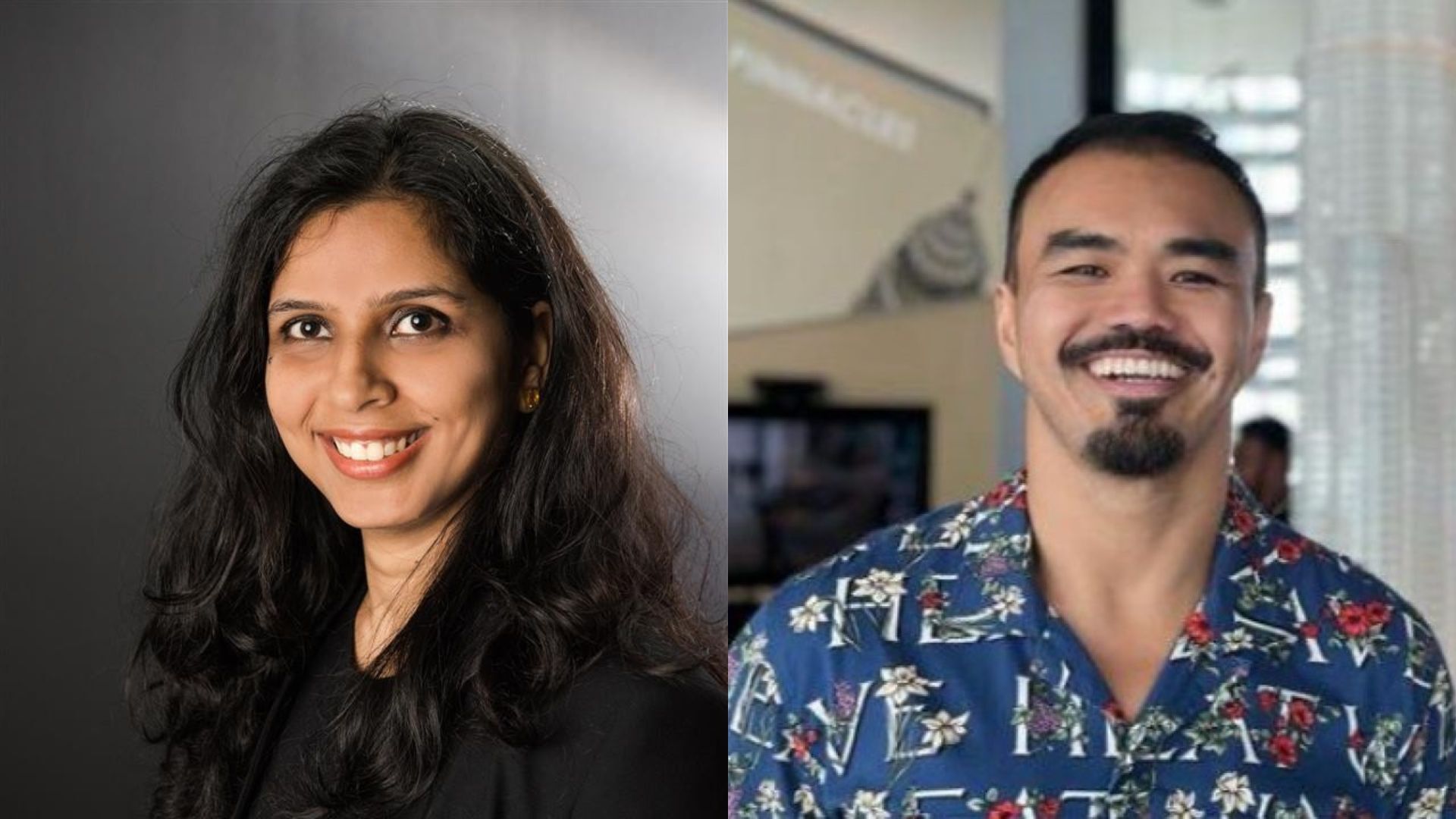
Akansha Rai and Keng Wee Ng

The Hoffman Agency bolsters regional leadership

The Hoffman Agency has made two senior appointments in its Singapore office to strengthen client servicing across multiple geographies.

Akansha Rai (pictured left) has been appointed Senior Vice President, Client Partnerships. She will lead regional programmes spanning Southeast Asia, Greater China, and India for brands including Zoom, Oracle, Ripple, and Western Digital. Akansha brings close to two decades of experience across Asia Pacific, spanning stakeholder engagement, reputation management and policy communications.

Keng Wee Ng (pictured right) has joined as Vice President, Client Partnerships. He brings more than 16 years of communications experience across change and issues management, internal and external communications, government relations, and partnerships. Keng Wee spent close to a decade with communications agencies before moving in-house, where he led regional communications at WeWork and PropertyGuru.

Both Akansha and Keng Wee will report to Maureen Tseng, Managing Director, Southeast Asia.

Previous story

Burson expands partnership with Norweigian Seafood Council

You might also enjoy

Burson
Industry update

Burson expands partnership with Norweigian Seafood Council

Burson has been appointed to lead integrated communications for Norwegian Seafood Council in Japan following a competitive, multi-year pitch. This news marks the expansion of the agency's partnership with the Council beyond its existing South Korea remit.

With this new appointment, Burson is expected to deliver strategic counsel and integrated execution across earned media, influencer engagement, industry communications, and brand activations to strengthen awareness, consideration, and consumption of Norwegian seafood across the Korean and Japanese seafood markets.

"We’re thrilled to expand our partnership with the Norwegian Seafood Council into Japan, one of the world’s most sophisticated seafood markets," said HS Chung, Asia-Pacific CEO, Burson. "Building on our success in Korea, we look forward to highlighting the versatility of Norwegian seafood and educating both trade and consumer audiences on the wide range of choices and innovative menus available, through culturally fluent storytelling, data-led strategy and consistent execution across markets."

"Burson has delivered excellent strategic thinking, deep market insight and proven performance in Korea," said Johan Kvalheim, Counsellor Fisheries at the Norwegian Embassy in Tokyo, representing the Norwegian Seafood Council. "As we enter this next phase in Japan, we’re excited to expand our partnership with Burson to strengthen awareness of Norwegian seafood, highlight its quality and sustainability and support long term demand in two of our key Asian markets."

This news follows a series of new business wins and expanded remits for Burson, including global brands such as Jaguar Land Rover, Kenvue, and the UK Government.

Anya
Moves

Anya Phillips steps up as Account Director

Anya Phillips has been promoted to Account Director at PR and brand engagement agency, Campaign Lab. She joined the team in 2023, relocating from the UK to Sydney, Australia.

Anya has worked at agencies including Ketchum and Edelman, and has supported global brands such as Samsung, Adobe, OPPO, and Colgate.

Study
Research

Study Highlight: FINN Partners' Metabolic and Lifestyle Health in the GCC: Innovation, Access, and Behavioural Change

FINN Partners has launched a strategic communications playbook, "Metabolic and Lifestyle Health in the GCC: Innovation, Access & Behavioural Change", to help organisations move from reactive messaging to responsible narrative stewardship on how metabolic health innovation is being framed and contested in the GCC. 

The report offers a six-pillar framework, based on proprietary research conducted by FINN Partners Global Intelligence Lab across the UAE and Saudi Arabia from January to December 2025.

It found a steady rise in media and social mentions of metabolic health and GLP-1 therapies in the GCC, ranging from approximately 5,000 to over 8,000 per month, with a sharp uptick in the final quarter of the year. The report suggests that this volume growth signals that metabolic health has moved beyond specialist clinical discourse into the mainstream, increasing both opportunity and scrutiny.

In examining the media and social coverage, the report identified four narratives:

Pharmaceutical companies
The research found that pharmaceutical companies lead innovation narratives in terms of visibility, but they don’t consistently shape how those stories are interpreted. Much earned coverage is reactive - driven by global headlines, supply issues, or competitor moves, rather than sustained, proactive positioning.

Healthcare professionals
Healthcare professionals came out as the most trusted stabilising voices in the narrative, with clinician-led coverage focusing on appropriate use, patient selection, side-effect management, and combining medication with nutrition, exercise, and behavioural support. The report said their presence rises during controversies, helping restore clinical context and caution in media coverage.

Policymakers and regulators
Policymakers and regulators were found to increasingly shaping the narrative through guidance, warnings, and access frameworks. Coverage tied to health ministries, national strategies, and international guidance reinforces a consistent message as medication alone is not enough, and metabolic innovation must support prevention, sustainability, and long-term system value.

Media and social platforms
The research identified media and social platforms as amplifiers of both enthusiasm and concern. Social and lifestyle coverage drives before-and-after stories, aesthetic demand, and consumer framing, while mainstream media shifts between breakthrough claims and caution over misuse, side effects, and access gaps. The study highlighted that although the digital landscape boosts interest and consumer engagement, it also underscores the need for balanced oversight.

While the report described narrative tension is a normal result of innovation, it identified a greater risk is the rise of shadow narratives driven by misinformation and disinformation. It emphasised that in this environment, health communication serves as a frontline defence, shifting the focus from promoting innovation to protecting patient safety, public trust, and system integrity.

The study also found that third-party voices, especially clinicians and journalists, influence interpretation more than brand messaging. This increases reputational risk during scrutiny, but also reveals narrative gaps that brands have yet to address.

Furthermore, the research indicated that the most durable narratives are grounded in clinical credibility, policy alignment, and system value. Messages focused mainly on innovation or consumer access are more exposed to backlash, while those tied to evidence, governance, and equity build stronger long-term trust.

The playbook outlines six priorities for building trust:

  • Evidence and transparency: Use registries, clear safety communication, and accessible data to anchor claims. Regional clinicians should help interpret evidence.
  • Prevention-first framing: Position metabolic innovation as supporting, not replacing, prevention, which is in line with national agendas such as UAE Wellbeing 2031 and Saudi Vision 2030.
  • Local and data generation: Work with academic and health authorities to produce GCC-specific evidence and show long-term commitment.
  • Multistakeholder partnerships: Collaborate with ministries, insurers, professional bodies, and employers to demonstrate system-wide value beyond products.
  • Access and affordability storytelling: Address equity early and explain long-term economic and health benefits, reflecting regional socioeconomic diversity.
  • Rapid-response safety messaging: Prepare protocols, trained spokespeople, and myth-busting content to respond quickly and limit misinformation.