PR News
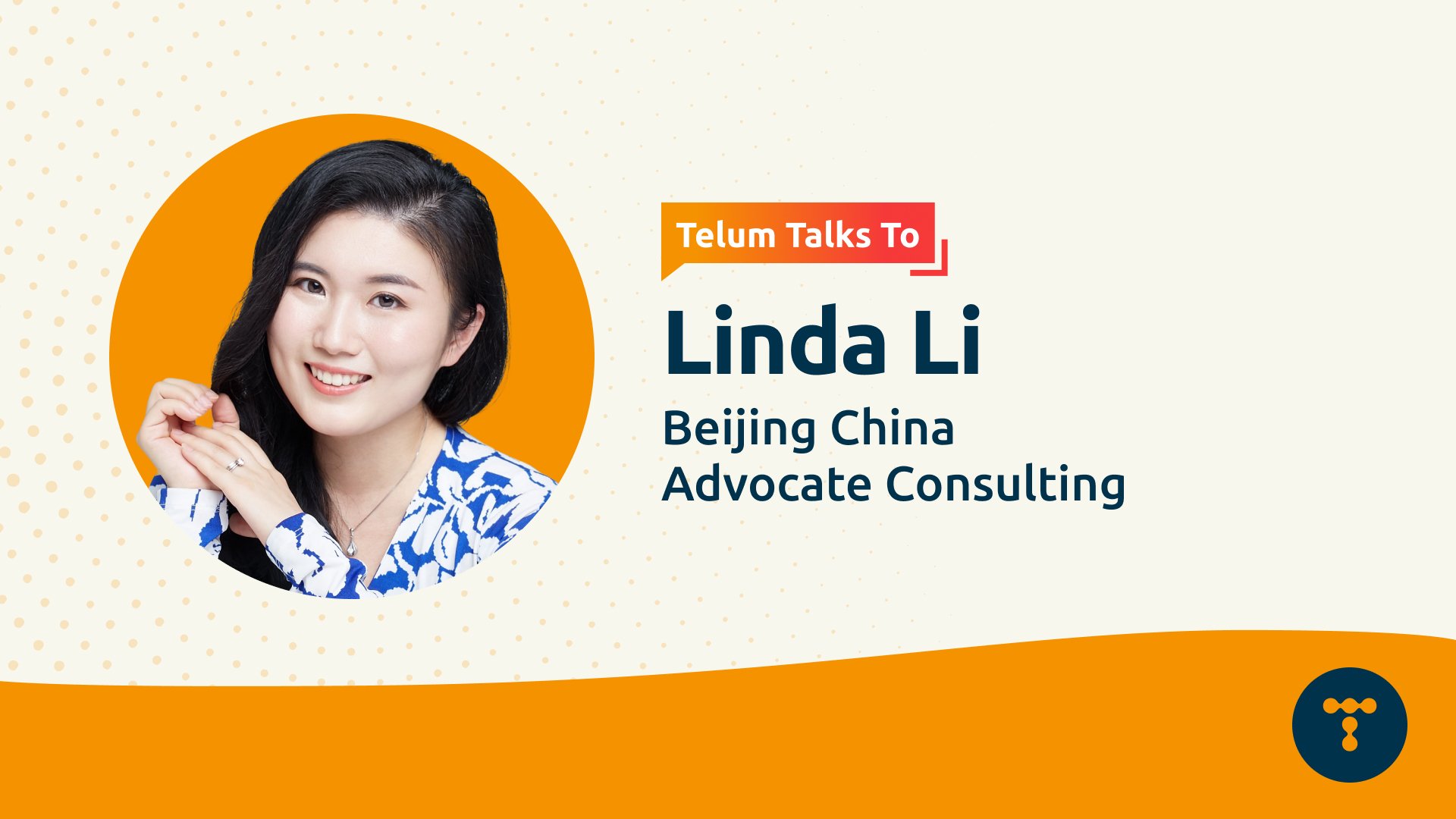
Linda Li

Telum Talks To: Linda Li from Beijing China Advocate Consulting

Amid a shifting global economy, the China International Import Expo (CIIE) continues to attract businesses from around the world looking to increase their footprint in the world’s second-largest economy. 

Now in its eighth edition, the import-themed trade fair is set to take place from 5th to 10th November this year. Since its launch in 2018, the event has served as a platform for foreign companies to understand trends in China’s domestic market and explore opportunities amid shifting consumer demand. 

Linda Li, Co-founder & DGM from Beijing China Advocate Consulting, shared with Telum Media her insights on the PR value of CIIE participation, how to stand out in a crowded media landscape, and communications advice for first-time exhibitors.    

 
What can brands do to strategically leverage CIIE to enhance reputation, strengthen credibility, and shape long-term awareness in the Chinese market? 
CIIE has evolved into a pivotal platform for global collaboration, offering significant value for brand reputation in today’s dynamic marketplace. Beyond a traditional trade exhibition, CIIE provides a unique opportunity for foreign enterprises to demonstrate their adaptability to the Chinese market and their ability to operationalise innovations locally. 
 
This year’s expanded participation, featuring over 50 countries and 170 enterprises returning for the eighth consecutive year, creates a robust business ecosystem. The presence of high-level government delegations and local government representatives at CIIE further enhances the exposure of participating companies to key industry stakeholders and government officials. This increased visibility is crucial for building long-term relationships and strategic partnerships, rather than just facilitating trade. 
 
Moreover, special exhibition zones, including sustainable technologies, intelligent manufacturing, and the medical sector, attract targeted media and stakeholder attention, making CIIE a powerful platform for both B2B and B2C engagement. 
 
CIIE provides great opportunities to connect with the media. How can companies make the most of their media relations strategy at CIIE, and what types of narratives tend to resonate with the media? 
A successful CIIE media strategy rests on three pillars: strategic timing, thematic relevance, and accessible storytelling. Given the intense competition for attention, it is crucial to start planning at least 10 –12 weeks before the event, aligning with key milestones such as official countdowns, highlights previews, and the opening ceremony. The most critical period is the two weeks leading up to and during CIIE. 
 
As always, this year’s media coverage is expected to be driven by narratives that align with the government's macro agenda and industry focal points, such as high-quality development, high-level openness, sustainable development, AI applications, and silver economy.

For example, a company might highlight how its green technology supports decarbonisation goals, or how its AI tools enhance global efficiency. 
 
Engaging with state-owned media, which are the core force in CIIE media coverage, is essential. Additionally, leveraging new media channels, including the state-owned media's digital platforms, as well as influencer and blogger visits, can significantly increase reach.

One of our clients' offerings became a trending topic on Douyin following a short video report by a state-owned media on its Douyin channel. This requires meticulous preparation, encompassing a variety of promotional content from written pieces and images to video clips, and ensuring an interactive and visually appealing booth design to encourage social sharing and media interest. 
 
How have evolving trade dynamics affected the CIIE and your clients’ comms strategy this year? 
The evolving trade dynamics in 2025 have underscored CIIE’s role as a stable platform for international business collaboration.

For many exhibitors, the Chinese market is now both a launch pad for regional growth and a collaborative hub for innovation. This has prompted communications teams to focus on how their participation strengthens supply chain resilience, accelerates technology exchange, and supports sustainable development - rather than simply announcing product availability. 
 
For example, a leading consumer company can use CIIE to announce its expanded R&D or manufacturing investments in Mainland China, demonstrating its commitment to the market.

Similarly, a pharmaceutical company can highlight its collaboration with local partners, highlighting how CIIE facilitates industry cooperation and the development of innovation ecosystems. By focusing on solutions and long-term value, brands can turn complex trade discussions into compelling, media-friendly narratives, positioning themselves as proactive contributors to the evolving global Chinese business ecosystem. 
 
Lastly, what comms advice would you give first-time exhibitors participating in CIIE? 
For first-time exhibitors, CIIE should be seen as a strategic communications platform, not just an exhibition. Start by aligning your core message with CIIE’s key themes, such as sustainability, digital innovation, and inclusive trade. Utilise official New Product Launch events to gain additional visibility. 

Given the intense competition for media attention, it’s also important to craft media materials prudently, especially those submitted to the organisers, as these are circulated to major outlets, which potentially leads to significant coverage.

Thoughtful and clear content can help attract attention from prominent state-owned media. Focus on a few standout features rather than trying to gain coverage on everything. Highlight your unique and relevant offerings, and present them through multiple channels and dimensions.

Aligning these highlights with current industry and societal buzz topics, such as weight management or robotics, can boost your chances of breaking through the noise. 
Previous story

Telum Media announces senior appointment for key markets

Next story

James Larsson commences as Head of Government Relations & Comms

You might also enjoy

Interview:
Feature

Interview: Jackie Hanafie from Humankind Advisory

 Storytelling has long been central to NGO communications, but its role is evolving. It's no longer only about raising awareness or driving donations, but translating complex issues into human narratives that audiences can grasp and act on.

Telum Media spoke with Jackie Hanafie, Founder and Principal Consultant of Humankind Advisory, about how NGOs can rethink storytelling to influence policy and behaviour, embed ethics and lived experience into communications, balance impact with nuance and accountability, and adopt a more hopeful, human-centred approach.

Storytelling has traditionally helped NGOs drive awareness and donations. As it becomes a more strategic tool to shape public opinion and policy, how should organisations rethink its role in influencing narratives, behaviours, and systemic change?
In today’s crowded, fast-moving information landscape, storytelling should be treated as a strategic asset - shaping how issues are understood, who is seen as responsible, and what solutions feel possible.

That means rethinking storytelling as narrative infrastructure, not just content. Individual stories are powerful, but when they are connected to structural issues - policy gaps, market failures, social norms - they help audiences understand both the what and why. This shifts the focus from charity to justice, from sympathy to shared responsibility. A well-told story can humanise data, but it can also frame policy conversations and influence how decision-makers define the problem.

Storytelling should also shift away from victimhood. Traditional NGO communications often portray communities as passive recipients of aid, but effective storytelling highlights local leadership, resilience, and partnership. This reframes beneficiaries as changemakers rather than dependants. When audiences see dignity and capability, they are more likely to support long-term solutions rather than short-term fixes.

Storytelling should also be aligned with clear behavioural and policy objectives. Whether the goal is shifting public attitudes, influencing a legislative debate, or changing consumer behaviour, narratives should be designed with measurable outcomes in mind. This requires collaboration across communications, policy, and program teams.

When storytelling is strategic, ethical, and systems-focused, it becomes more than awareness-raising; it acts as a catalyst for lasting change.

NGOs often tell stories about underrepresented communities and issues with less power or visibility. How do you ensure these stories are told ethically and respectfully, and that the people involved have a say in how they are represented?
This is a big responsibility for NGOs and ethics must be embedded in the process rather than as a final sign-off before publication.

It starts with informed, ongoing consent - people understanding their story will be shared, where, how, why, and they can withdraw at any time. In a digital world where content can travel far beyond its original context, transparency is essential.

Participation should go beyond consent to collaboration, with communities having a say in story framing, details, and visual representation. This might mean sharing drafts, inviting feedback, co-creating content, or supporting people to tell their own stories. Ethical storytelling shifts from “about them” to “with them”.

Stories should highlight dignity, agency, and context - acknowledging structural barriers without reducing individuals to them, which can unintentionally strip away complexity, humanity, and agency. Safeguarding is also critical, particularly for people in fragile or politically sensitive environments. This includes assessing risks around visibility, privacy, cultural sensitivity, and potential backlash. Sometimes the most ethical choice is to anonymise or not tell a story at all.

Organisations should also create clear internal guidelines and accountability mechanisms around storytelling ethics. When communities are respected as collaborators of their narratives, storytelling becomes more authentic, credible, and powerful in driving meaningful change.

NGOs face pressure to demonstrate impact, but storytelling can risk oversimplifying complex outcomes. How do you use narrative to communicate impact and accountability, while preserving nuance and long-term context?
Demonstrating impact is essential, but social change is rarely linear or attributable to a single intervention. The challenge is to use storytelling not to simplify reality, but to make complexity understandable.

  • Anchor stories in evidence: Personal narratives are powerful entry points, but they should sit alongside data and context. A story can illustrate change in someone’s life, while reporting explains broader trends, limitations, and lessons learned. This balance helps audiences connect emotionally without losing sight of rigour.
  • Be honest about timeframes: Systemic change often unfolds over years. Rather than presenting impact as a “before and after” transformation, NGOs can tell stories of progress, iteration, and adaptation. Sharing setbacks and course corrections builds trust and signals that accountability includes learning, not just success.
  • Clarify contribution rather than claiming sole causation: Most development outcomes result from partnerships - governments, communities, private sector actors, and other civil society organisations. Storytelling that acknowledges this ecosystem avoids overstating impact and reinforces the collaborative nature of change.
  • Preserve nuance through format: Long-form content, case studies, impact reports, and multimedia storytelling allow space for complexity. Even in shorter formats, careful framing - explaining structural barriers, policy contexts, and ongoing challenges - can prevent oversimplification.

When NGOs use storytelling to illuminate both human experience and systemic context, they strengthen public understanding and trust. Impact communication then becomes not just a showcase of results, but an honest reflection of progress, partnership, and purpose.

How are NGOs incorporating lived experience and community voices into storytelling, and what impact has this had on audience engagement and trust?
NGOs are recognising that credibility comes from creating space for communities to speak for themselves. Incorporating lived experience into storytelling is no longer a token gesture; it's becoming central to how organisations design campaigns, shape policy advocacy, and communicate impact.

Practically, this means moving from extractive storytelling to co-creation. Many NGOs now involve community members in identifying which stories are told, the framing, and the platforms used. Some are investing in training, equipment, and digital access so people can produce their own content, such as video diaries, social media takeovers, blogs, or community-led podcasts. Others are establishing advisory groups made up of people with lived experience to guide messaging and narrative strategy.

This shift also influences whose expertise is recognised. Lived experience is increasingly positioned alongside technical and policy expertise, particularly in advocacy campaigns. When people directly affected by an issue contribute to messaging or speak publicly about solutions, it strengthens authenticity and grounds policy debates in real-world realities.

These days, audiences are more discerning than ever and can sense when stories feel staged or overly curated. Community-led narratives tend to resonate more deeply and often generate higher engagement across digital platforms, fostering stronger emotional connection.

Incorporating lived experience also builds trust internally. When communities see their perspectives accurately reflected - and when they have agency in how they are represented - it reinforces partnership rather than hierarchy.

In a time of misinformation and declining trust in institutions, NGOs that centre lived experience are not just improving their communications; they are strengthening legitimacy. Storytelling grounded in authentic community voices signals transparency, respect, and shared ownership of change - qualities that are essential for sustained engagement and public confidence.

Emotional storytelling has long been used to build public support, but there are signs of audience fatigue and desensitisation to emotive appeals. How is storytelling strategy evolving in the NGO sector in response to this?
One shift is from crisis-driven narratives to solutions-focused storytelling. Instead of focusing solely on need, organisations are highlighting progress, innovation, and collective action. This doesn’t minimise the scale of challenges, but it offers audiences a sense of efficacy - showing that change is possible and that their support contributes to tangible outcomes.

There is also a move towards depth and authenticity, as audiences increasingly value transparency, nuance, and honesty over highly polished emotional appeals. NGOs are sharing more behind-the-scenes insights, lessons learned, and even setbacks, which helps build trust and long-term engagement rather than short-term reactions.

Another evolution is audience segmentation and platform sensitivity, with digital analytics helping organisations understand how communities respond to different tones and formats. Storytelling is becoming more tailored - interactive content, short-form video, long-form journalism, community takeovers - rather than relying on a single emotive formula.

Importantly, the sector is also interrogating power and representation. Stories that centre dignity, agency, and partnership tend to resonate more sustainably than those that rely on portraying people at their most vulnerable. Positive, human-centred narratives can inspire solidarity rather than pity.

Storytelling strategy is shifting from eliciting sympathy to building sustained relationships. Organisations that stand out combine emotional resonance with credibility, agency, and hope - engaging audiences as informed partners in long-term change, not just donors. 

PURPLE
Industry update

PURPLE PR scores luxury accounts in Hong Kong

 Luxury lifestyle brands, Christian Louboutin and Hourglass Cosmetics, have appointed PURPLE as their communications agency of record in the Hong Kong market, effective immediately.

Ran
Industry update

Ran Mo sets up independent comms consultancy

Ran Mo has launched Ciel & Co. Communications, providing services including strategic communications advisory, media relations, corporate messaging and reputation management for financial institutions and professional service firms. Based in Hong Kong, the communication consultancy also supports European and other overseas clients in navigating the APAC landscape.

Prior to founding Ciel & Co., Ran held senior roles advising clients on brand positioning and regional growth strategies.