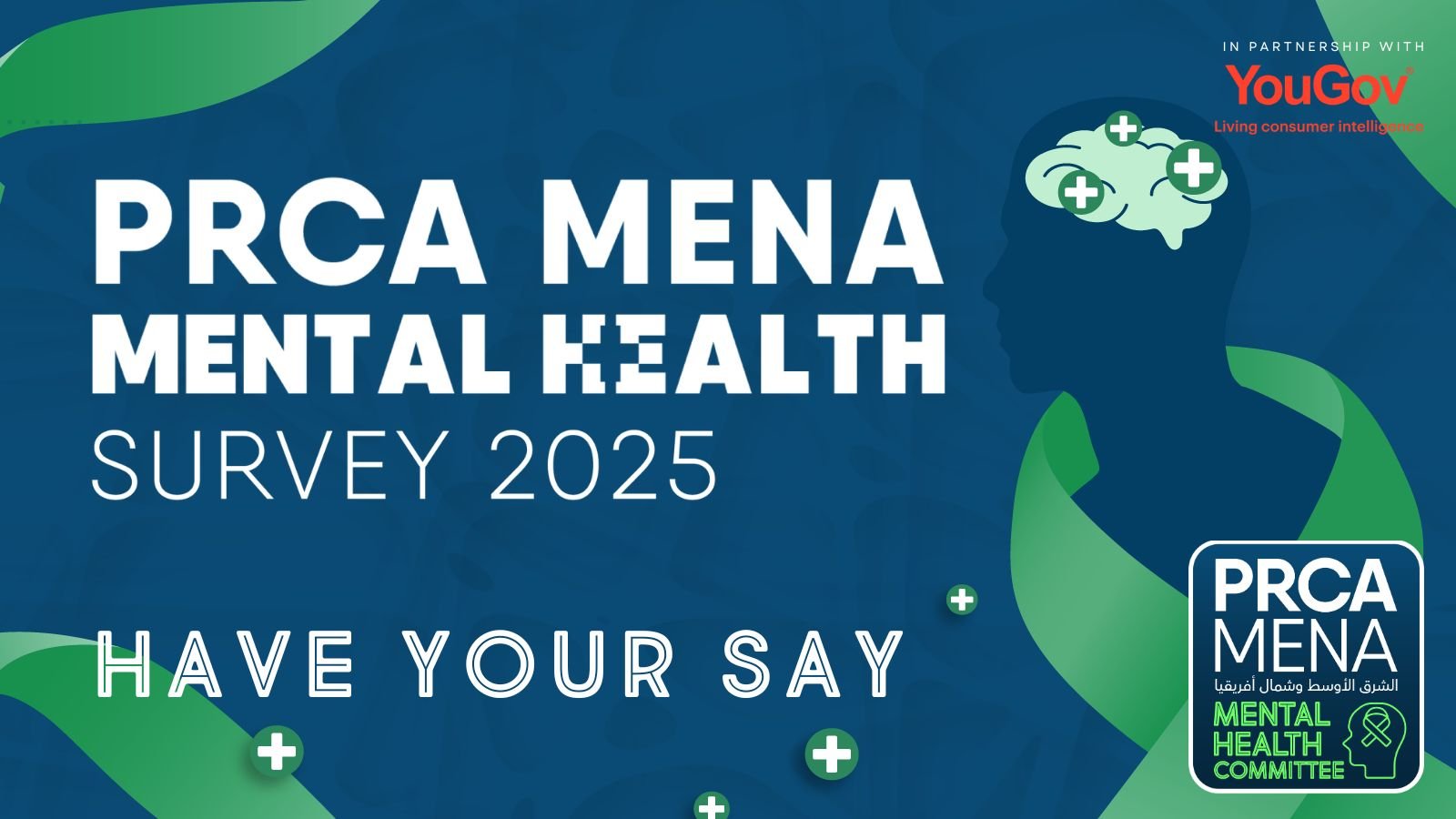
PRCA Mena launches Mental Health Survey 2025
Telum Media creating connections
Get in touch to learn more
Weber Shandwick rolls out Weber I/O, names its EMEA head
Tom Fogarty starts agency journey in the UK
You might also enjoy
After more than six years with SEC Newgate Middle East, Giada Dionisio has moved to an in-house role and joined FerriFirenze. As Press & Celebrities Manager at the Italian handcrafted jewellery maison, she leads the brand's international PR strategy, overseeing global media relations, KOL partnerships, celebrity dressing, and high-profile jewellery placements for red carpets and key international events, supporting FerriFirenze's continued global expansion.
At SEC Newgate Middle East, Giada led integrated PR and communications strategies for luxury and lifestyle brands, including Max Mara Group, Clinique La Prairie, Istituto Marangoni, and Level Shoes. Prior to that, she was based in Milan in a product marketing role for Giorgio Armani's beauty line.
"Joining FerriFirenze is an exciting opportunity to bring together everything I've learned throughout my career in communications with a brand that embodies exceptional craftsmanship, creativity, and authentic Italian heritage. I'm looking forward to strengthening the maison's global visibility while building meaningful relationships with media, tastemakers, and talents around the world," said Giada.
Andrew Bradley has joined drug reform advocacy group, Unharm, as Media and Public Affairs Director. He was at Uniting for three years as Media and Public Affairs Manager. Prior to this, Andrew worked in various consultancies, was a media advisor for a number of government departments and politicians, as well as working internationally for the European Climate Foundation.
The Singapore PR and communications talent market is not collapsing. It is resetting, according to The Shortlist’s PR & Comms Talent Report 2026.
The report surveyed more than 100 PR and communications specialists across Singapore, including hiring managers, in-house leaders and candidates at all levels. The findings highlight a market where candidates are more cautious, hiring managers are under greater pressure, and fit matters more than ever.
Key findings from the report
The agency market is being reshaped
The report points out that large network agencies are under visible pressure. Redundancies, restructuring, and more clients moving communications functions in-house are the key forces reshaping the top end of the market.
For hiring managers, the report suggests they need to rethink what they can offer candidates beyond the agency brand name - think scope, progression, flexibility and culture.
The study finds that boutique and independent agencies are moving quickly, retaining strong cultures with owner-run models or long-standing leadership, while also building regional models through trusted partnerships rather than trying to be everything to everyone.
In-house communications continue to grow
The report highlights the growth of in-house communications. More organisations are building internal communications capability, particularly in financial services, technology and professional services. These roles require senior communications professionals who can work autonomously, advise leadership, and navigate complex stakeholder environments without the support structure of an agency behind them.
The study also notes that in-house communicators need to build credibility internally with business leaders who may not naturally understand the value of communications. The strongest candidates are commercially fluent, comfortable in the boardroom, and able to connect communications work to business outcomes.
Business development and strategic counsel are becoming critical skills
The report also finds that business development is no longer only a senior leadership responsibility. The report says expectations are filtering down to Senior Account Manager and Account Director levels, especially as pipelines slow and competition for retained clients increases.
Senior strategic counsel is another major gap, according to the study. The report identifies demand for professionals who can advise at a senior level, connect communications to business priorities, and make judgement calls under pressure.
AI is changing workflows, not replacing communicators
The study reports that AI adoption is moving faster on the hiring side than on the candidate side, with 60 per cent of hiring managers saying AI is essential or already part of their regular workflow, compared with 48 per cent of candidates who feel very confident using AI day to day.
However, the report emphasises that AI cannot replace some of the skills the market is missing most: relationship building, business development and senior strategic counsel.
Fractional communications talent is one to watch
The report also highlights the rise of fractional communications talent, which is different from traditional freelance or contract work.
Fractional roles are usually senior, strategic, and focused on giving businesses access to experienced communications leadership without hiring a full-time Head of PR, Communications Director or Chief Communications Officer.
For organisations, fractional talent can provide senior guidance while existing teams manage execution. For experienced communications leaders, it offers flexibility, autonomy, and a different way to apply their expertise.
The hiring mismatch is about fit, not volume
From conversations with surveyed hiring managers and candidates, the report finds that:
• 45 per cent of candidates say they have been ghosted by hirers during the process.
• 33 per cent of candidates cite a lack of suitable roles at their level as their biggest frustration.
• 43 per cent of hiring managers say their biggest challenge is finding the right candidates.
The report points to this as an issue of visibility and fit, not volume. Both sides are struggling to find the right match, and poor communication during the hiring process is making that harder.
What this means for PR and communications professionals
For candidates, the report suggests building visibility before they need it. Senior roles are often won through reputation and relationships before they appear publicly. This is especially true for Head of Communications and senior agency leadership roles.
Candidates should also be clear-eyed about the skills the market values most. Commercial awareness, business development, strategic counsel, AI fluency, and the ability to connect communications work to business outcomes are becoming stronger differentiators.
For hiring managers, the message is to be specific. A clear brief, a transparent salary range, honest business development expectations, and a defined progression path will help attract stronger candidates.