

I was a staunch advocate of the singular power of PR and selling a series of great stories until a few years ago, when I realised that PB (personal brand) was an untapped overlooked marketing tool that a lot of 'switched-on' B2B entrepreneurs were using to gain attention and build influence, which ultimately is one of the main aims of effective PR.
In that important season, I switched camps determined to learn everything I could about organic content marketing, attention acceleration and building influence authentically. Now armed with both skills, PR and PB, I am never looking back because the two are clearly integrated and are an intrinsic part of offering a complete marketing service that most brands will require to ride and survive the impending marketing wave ahead.
What is personal branding, and why does it matter to PR professionals?
Personal branding is the intentional shaping of your narrative, message, and image in alignment with your authentic values, expertise, and aspirations. For PR professionals, it is an opportunity to:
Balancing personal and agency brands: Can they work together?
Agency leaders often wonder if their personal brand should stand apart from their agency's identity. The answer depends on your goals:
As client demands grow, PR professionals often struggle to prioritise their personal brand. Some strategies I use to balance both is to take the pressure off trying to be on every platform, do everything and achieve nothing.
Instead:
Starting from scratch: Building your personal brand
If you haven’t already, the process can seem daunting. Here’s a step-by-step guide once you have established which online platforms you want to be on:
Upcoming trends shaping personal branding in PR
PR professionals are going to need personal branding skills in the next two to five years and here's why:
In short, the future of PR lies in personal branding. As the PR industry evolves, personal branding as a practice will no longer be optional - it will be essential.
I strongly believe that PR agencies or practitioners who are on a model that stays with only traditional story telling to the media and organising influencer experiential events, will need to diversify their offerings in order to survive and be more well-rounded. If you are a PR professional, start with yourself. Now is the time to invest in your personal brand and get some skin in the game. Start small, stay consistent, and focus on authentic engagement to future-proof your career and offerings.
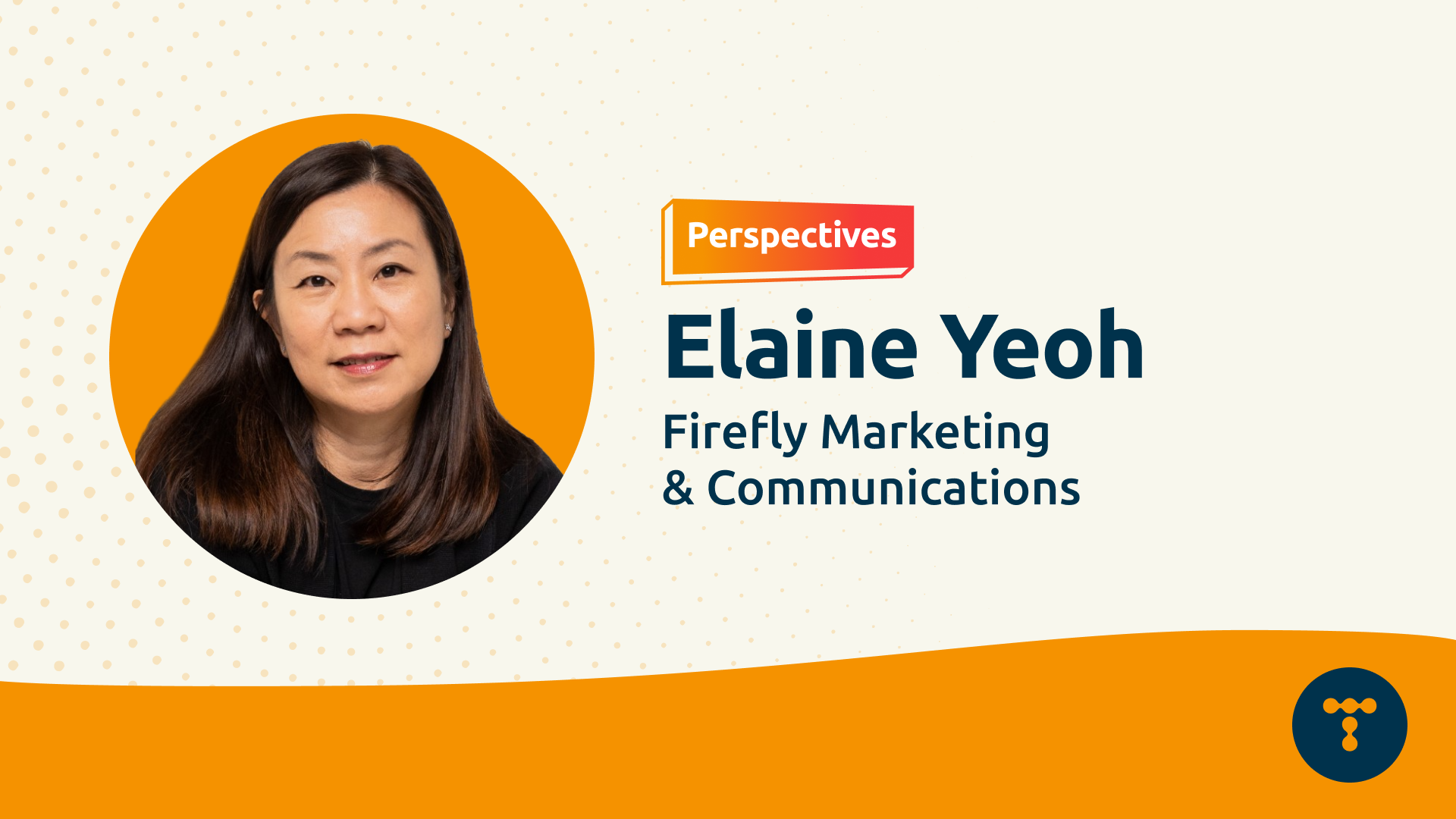
Elaine is a seasoned personal branding and PR professional specialising in beauty, food and hospitality marketing, with a career spanning Auckland, Hong Kong, and Singapore. She is the Owner and Managing Consultant of Firefly Marketing & Communications and currently supports companies in Singapore and Auckland with personal branding and PR services, offering tailored solutions in LinkedIn marketing, ghostwriting, and content creation to help clients enhance their visibility and impact.
Prior to this, Elaine was the Director of Personal Brand and Client Service Director at New Zealand-based content marketing agency, The Attention Seeker . There, she led personal branding strategies and client engagement in the B2B and big brand space, solidifying the agency’s offerings and leadership in attention acceleration and content marketing.
In that important season, I switched camps determined to learn everything I could about organic content marketing, attention acceleration and building influence authentically. Now armed with both skills, PR and PB, I am never looking back because the two are clearly integrated and are an intrinsic part of offering a complete marketing service that most brands will require to ride and survive the impending marketing wave ahead.
What is personal branding, and why does it matter to PR professionals?
Personal branding is the intentional shaping of your narrative, message, and image in alignment with your authentic values, expertise, and aspirations. For PR professionals, it is an opportunity to:
- Establish Credibility and Trust: Highlight your expertise, such as crisis management or a niche industry focus, to build confidence among clients and peers.
- Showcase Your Network: Demonstrate your ability to connect with key leaders or communities within your field.
- Walk the Talk: Position yourself as a leader who practices what you preach, making your brand relatable and trustworthy.
Balancing personal and agency brands: Can they work together?
Agency leaders often wonder if their personal brand should stand apart from their agency's identity. The answer depends on your goals:
- Distinct Yet Complementary: Your agency's brand reflects the collective expertise and values of the team, while your personal brand highlights your leadership style and vision. When both are clear and synergistic, they amplify each other.
- The Case for Separation: Running personal and agency brands as separate entities allows leaders to engage more authentically and flexibly. Clients appreciate knowing who they are working with and whether their values align with the person driving the agency.
As client demands grow, PR professionals often struggle to prioritise their personal brand. Some strategies I use to balance both is to take the pressure off trying to be on every platform, do everything and achieve nothing.
Instead:
- Start Small: Share authentic insights on platforms like LinkedIn or Threads. LinkedIn can reflect your professional journey, goals and achievements, while Threads can provide a lighter, more personal daily insight into who you are and what goes on in your head. In contrast, Meta (IG and FB) and TikTok require curated purposeful content behind your growth strategy. Build on the rest as and only when you get more comfortable and clear of how you want to show up.
- Repurpose Content: Turn client case studies into lessons learned or share snippets of pitches to align with your personal narrative.
- Determine Cadence, Schedule and Topics: Establish a weekly cadence, target different audiences with specific posts and different topics on fixed days. Pre-scheduling content can save time and ensure consistency.
- Set Boundaries: Scheduling your posts ahead allows you stay away from weekends and private holiday time, which then allows you that much needed digital detox.
Starting from scratch: Building your personal brand
If you haven’t already, the process can seem daunting. Here’s a step-by-step guide once you have established which online platforms you want to be on:
- Define Your Core Values: Identify your strengths, values, and unique perspectives
- Just Engage: Comment on industry posts, share articles with insights, or write short posts about recent successes or challenges.
- Community Management: Comment on other people’s posts, reply when someone comments on yours, and don’t be afraid of reaching out to someone who is a celebrity, luminary or leader, because your network is also your network.
- Active Networking: Join marketing groups to connect with colleagues and competitors. Networking helps you stay informed about industry trends and events while building relationships.
- Expand Over Time: As confidence grows, explore public speaking opportunities, contribute articles to industry publications, or go video on your various chosen platforms.
Upcoming trends shaping personal branding in PR
PR professionals are going to need personal branding skills in the next two to five years and here's why:
- Authenticity and Relatability: In an era of AI and automation, genuine human connections and storytelling will remain critical. Paid editorials, ads and free media stories are only going to reach that many and do that much in a one-time hit. Building trust through consistent, relatable messaging via a personal or employer brand will differentiate professionals and companies in a crowded space.
- Real-Time Engagement: Emerging platforms, especially AI-driven ones, will demand real-time interaction. This shift creates opportunities for PR professionals to engage directly with their audiences and adapt quickly to changing conversations. This will positively impact crisis management and influence audience reactions, and brands will eventually have to rally and build a loyal community around themselves, especially if they are new and emerging. They have to almost do the leg work from the start - joining in, listening in, responding, and engaging to see how their brand will grow and adapt to what a customer expects and actually wants.
- Micro-Communities and Niche Targeting: Smaller, niche communities will take precedence over broad audiences. Practitioners will focus on creating meaningful, value-driven interactions within these spaces. This will be important for brand growth as a niche audience of early adopters either prescribes or distracts brand loyalty over time.
- The Rise of Employer Branding: With a shrinking traditional media landscape, employer branding will grow in importance. Companies will need to communicate why people should work with or support their brand. Personal branding for leaders will complement this by building trust and credibility as they become brand champions and advocates, making them influencers or 'top voices' in their respective industries.
- Consistency Over Singular Stories: A single article or feature has limited impact. Personal branding thrives on consistent messaging over time, helping practitioners build a loyal, organic audience.
- ESG Integration: ESG values will play a crucial role in personal branding. Aligning corporate and personal messaging with these values will resonate with socially conscious audiences.
In short, the future of PR lies in personal branding. As the PR industry evolves, personal branding as a practice will no longer be optional - it will be essential.
I strongly believe that PR agencies or practitioners who are on a model that stays with only traditional story telling to the media and organising influencer experiential events, will need to diversify their offerings in order to survive and be more well-rounded. If you are a PR professional, start with yourself. Now is the time to invest in your personal brand and get some skin in the game. Start small, stay consistent, and focus on authentic engagement to future-proof your career and offerings.
Elaine is a seasoned personal branding and PR professional specialising in beauty, food and hospitality marketing, with a career spanning Auckland, Hong Kong, and Singapore. She is the Owner and Managing Consultant of Firefly Marketing & Communications and currently supports companies in Singapore and Auckland with personal branding and PR services, offering tailored solutions in LinkedIn marketing, ghostwriting, and content creation to help clients enhance their visibility and impact.
Prior to this, Elaine was the Director of Personal Brand and Client Service Director at New Zealand-based content marketing agency, The Attention Seeker . There, she led personal branding strategies and client engagement in the B2B and big brand space, solidifying the agency’s offerings and leadership in attention acceleration and content marketing.
-Sep-23-2026-02-32-38-6871-AM.png)
-Sep-23-2026-01-19-36-1994-AM.png)