Consumers in the ANZ market have long been vocal about fairness, transparency, and accountability. But what was once primarily a legal or customer service issue has increasingly become a reputational one, playing out in real time on social platforms, review sites, and public forums. With heightened awareness of consumer rights, social media amplification, and more vocal consumers, a single misstep can escalate into a reputational challenge for organisations.
To explore this shift, Telum Media spoke with Cassie Arauzo, Corporate Affairs Lead at Spark New Zealand. She discussed the evolving role of communicators in handling customer complaints, how teams work across departments to resolve issues, and how organisations can prepare for situations where customer concerns escalate into potential crises.
What role do communications teams play today in triaging public consumer complaints, and how do you decide whether an organisation should respond publicly or take an issue offline?
Complaints may surface through customer care teams, social channels, or occasionally via traditional media. At organisations like Spark, customer care and social teams are trained to resolve issues directly wherever possible and have frameworks that help them assess when to escalate to corporate affairs and legal teams for additional guidance.
Once matters are escalated, the approach we take is to proceed with legal obligations. From there, corporate affairs will work closely with care teams to understand the broader customer experience and consider whether there are ways to support the customer beyond the legal requirement.
If the complaint was made through social media, our team will generally acknowledge public complaints to show engagement, then shift to direct contact to verify the customer's identity and investigate further. For complaints that surface on traditional media platforms, we follow a similar process - investigate first, connect with the customer directly where possible, then respond to the media. It's important that the customer hears from the company directly before they see it in a news story.
How do communications, legal, and marketing teams work together during consumer-related issues, and how do organisations balance reputational risk, legal compliance, and commercial priorities when those functions have conflicting views?
While legal, marketing, and corporate affairs are distinct functions, we work collaboratively across most things. Decisions, especially on consumer issues, rarely sit neatly within one function. Commercial considerations, legal interpretation, and reputation risk all play a part in the broader decisions and communications approach.
As mentioned, starting with legal obligations is a non-negotiable. The discussion then moves to how we can show up better: How will this land with the customer? What are the reputational considerations? Can we do more? And of course, what are the commercial realities we are operating within?
For example, if we're implementing a change that impacts customers, we’ll ensure we meet legal requirements but also consider how we can make the change easier. This could include longer notice periods or setting up practical assistance in the community.
It's critical to recognise that there's an interdependence across the separate functions. Only focusing on short-term commercial outcomes can create longer-term reputational or legal challenges. Equally, being overly risk-averse can slow progress and delay speed to market.
The key is taking a holistic view and recognising that legal, reputation, and commercial considerations are interconnected rather than competing priorities. This approach encourages all teams to step beyond functional silos and consider the broader organisational impact of any decision, not just the immediate objective of one team.
Despite legal compliance, brands are still at risk of reputational backlash. How wide is the gap between what is legally permissible and what consumers perceive as fair, and how can comms navigate and plan for potential fallouts?
The gap can vary significantly depending on the issue. In some cases, meeting the legal threshold is sufficient. In others - particularly where vulnerable customers may be affected - the legal minimum may not align with community expectations.
That's where corporate affairs plays an important advisory role. Being compliant is essential, but it's not always the full answer. It's important to look at the broader context: who is impacted, how complex the change is, how much notice is reasonable, and what additional support might reduce friction or confusion.
Mitigating fallout starts early. Involving corporate affairs at the outset of customer-impacting programs allows us to shape messaging, anticipate likely concerns, and stress-test the approach.
It can also involve proactive stakeholder engagement - ensuring community groups, advocacy organisations, or elected representatives understand the changes and support available. When stakeholders already understand the rationale and support available to customers, they're better equipped to respond constructively when approached by their communities. This reduces the risk of misunderstanding or public criticism.
In an era of call-outs and boycotts, what are the challenges to rebuilding consumer trust after a public controversy, and how do traditional and social media amplification change the trajectory of these issues?
Public consumer complaints aren't entirely new. For well over a decade, social media and online platforms have given customers a direct way to "call out" organisations, and businesses are generally well equipped to manage this.
What has evolved, however, is the nature of complaints. They are increasingly about broader ethical or societal concerns rather than individual dissatisfaction with a service, and these can escalate much more quickly and far-reaching than when issues were contained between a customer and an organisation.
Traditional media can legitimise or amplify complaints that begin online, while social media accelerates both the pace and scale of scrutiny.
These complaints are also harder to take "offline," because they often seek public statements or stances on certain issues. Matters like these are then escalated to corporate affairs, as they move beyond resolving an individual customer complaint to managing a public conversation.
Because these complaints often relate to ethical or societal issues and attract public attention, corporate affairs' approach must account for a wider audience from the outset. The goal is to address the issue effectively for the individual customer, while also maintaining trust and credibility with the wider community who may be observing or impacted by the conversation.
Customer-facing staff communicate with consumers every day, often on sensitive issues. How much oversight should communications teams have over customer service messaging and training, and where should that responsibility sit within an organisation?
Oversight from corporate affairs should be proportionate to the issue. Our customer care teams are well trained in day-to-day customer interactions and are empowered to resolve most matters directly. Communications doesn’t need to script every interaction, but we do have a role in shaping the approach when issues are sensitive, complex, or high-profile.
Spark’s customer care teams have access to an internal intranet full of information to support them in a range of scenarios and questions. For particularly delicate topics, corporate affairs works with channel leads and legal to develop key messages, FAQs, and anticipated scenarios.
Responsibility typically sits with the project or business lead driving the change, supported by channels to operationalise it. Corporate affairs and legal will then review for reputational and legal considerations, but we don’t ‘hold the pen’ on frontline communications.
Ultimately, whether through the customer care team, social media, or a media statement, customers should receive clear, consistent information.
As consumer awareness grows across markets, what will transparent, clear, and proactive communications processes and training look like for organisations, and how should emerging markets prepare frontline teams as consumers become more informed and outspoken about their rights?
Corporate affairs will increasingly play an advisory role, keeping our finger on the pulse and having a good gauge of the "mood of the nation" as we support teams in developing material for our customer care teams, especially for complex or sensitive issues.
When communicating across social, traditional media, and customer care channels, we align key messages and responses that might be particularly sensitive. Corporate affairs often holds the pen on initial messaging and FAQs, which social and customer care teams then adapt for their audiences. This ensures consistent information while allowing flexibility for different audiences.
Clear and transparent communications aren't the responsibility of a single function. It relies on a shared understanding the expertise each team brings, clear guidelines on when and how to engage, and strong collaboration in developing messaging and processes to support consumers.
talabat brings in regional comms manager
You might also enjoy
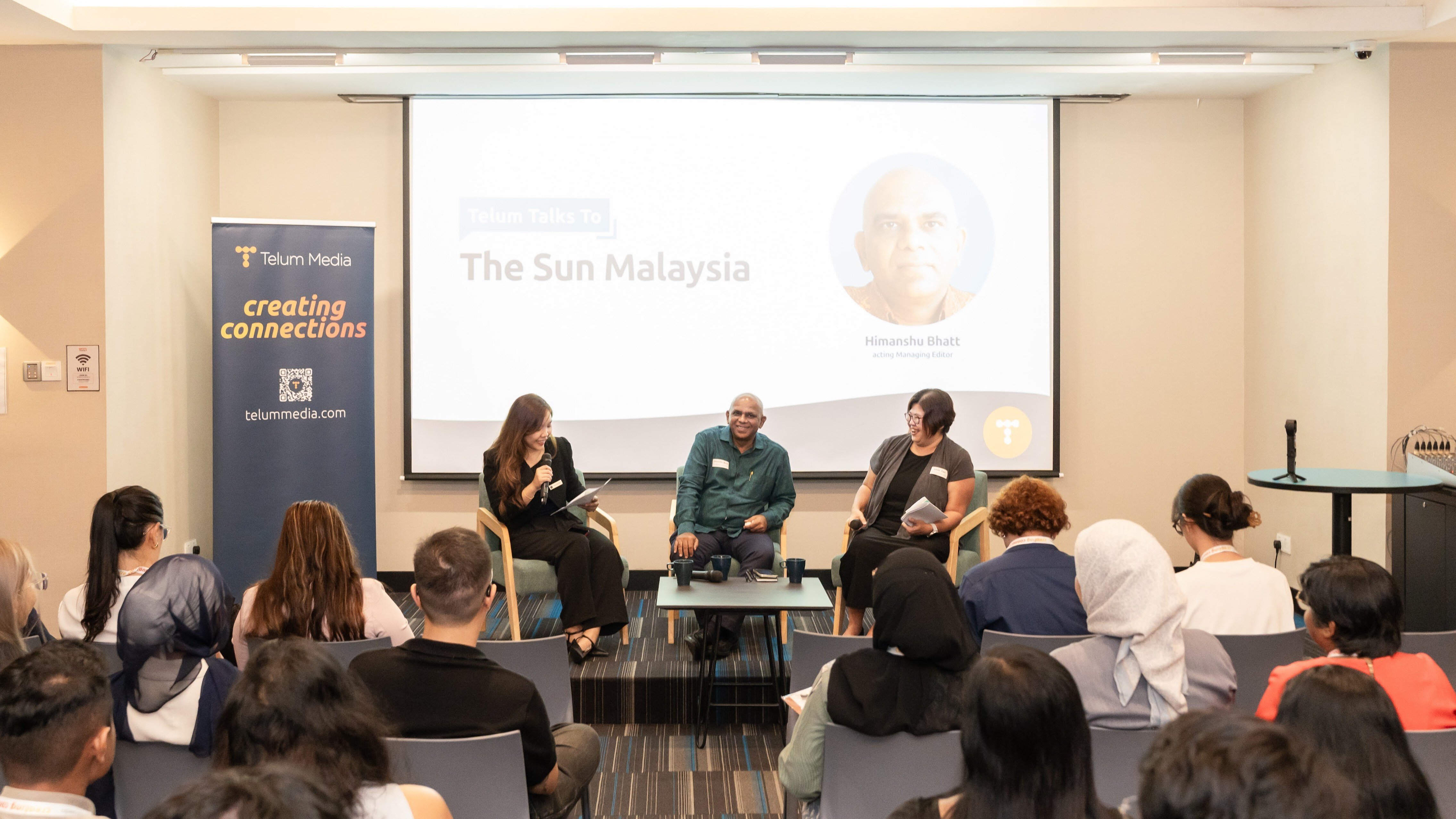
On 14th October 2026, Telum Media hosted an exclusive in-person discussion in Kuala Lumpur featuring Himanshu Bhatt, Acting Managing Editor of The Sun Malaysia. The session was also joined by Irene Tan, the publication's General Manager of Advertising and Marketing.
Moderated by Mary-Jane Tan from Telum Media, the discussion explored The Sun Malaysia’s core audience across its print and digital platforms, alongside its editorial priorities and the evolving trends shaping news consumption. More than 100 PR and communications professionals in attendance also gained insights into identifying stories that resonate with everyday readers.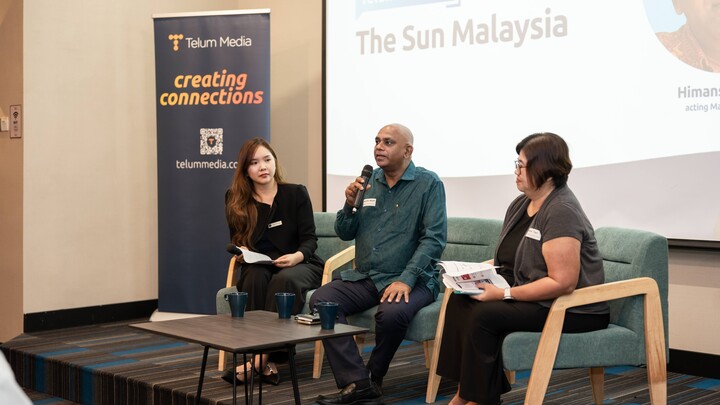
During the session, Irene urged communicators to move beyond hard-sell approaches by offering relevant knowledge, timely insights and valuable information that reflect current trends and wider public interests.
The discussion also covered how communicators can develop compelling story angles to improve their chances of securing mainstream media coverage. Tips included demonstrating a direct impact on consumers, addressing wider industry issues and offering solutions to societal challenges.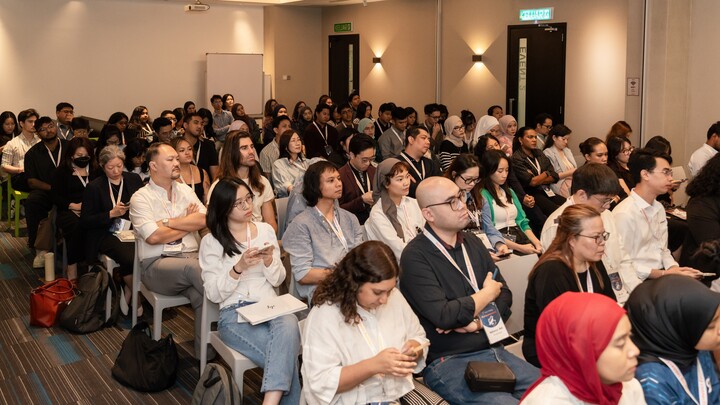
In the audience Q&A segment, communicators representing different sectors shared their respective concerns and sought editorial suggestions. The segment also addressed questions about pitching and the current media landscape.
Stay tuned for more Telum Media events by subscribing to our News Alerts for the latest updates.
.png)