

Choosing a PR partner in 2026 can no longer be a transaction marketing decision. With media landscapes evolving, AI-powered newsrooms disrupting traditional coverage patterns, and stakeholders demanding authentic commitment to sustainability, who you appoint as a PR partner can fundamentally shape how your company navigates an increasingly complex communications landscape.
So how are today's communicators making this critical decision? What separates a true strategic partner from just another vendor, and what must agencies do to stand out from the crowd?
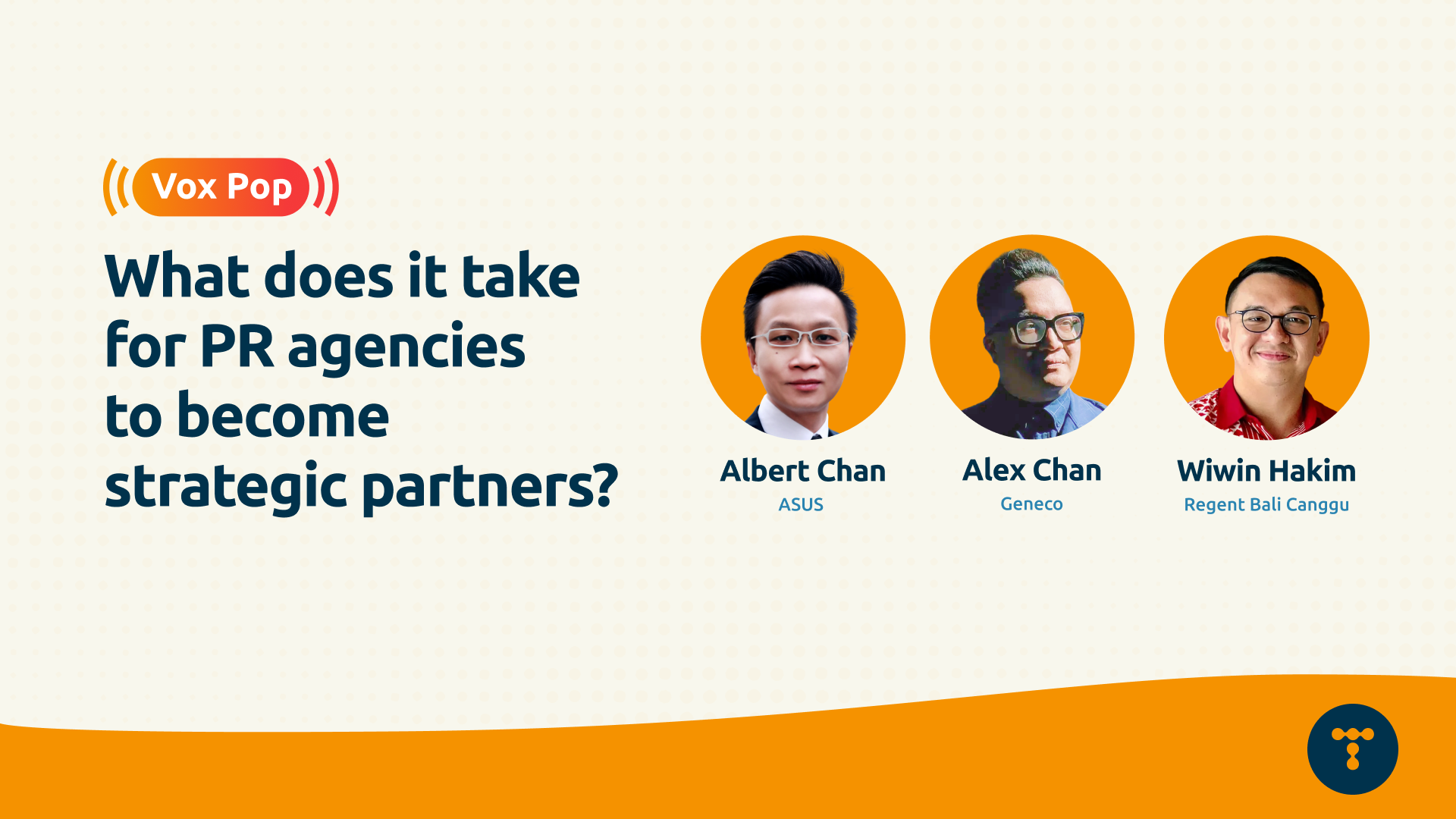
In this vox pop, Telum Media spoke with in-house PR professionals across tech, energy, and hospitality to explore how they evaluate PR agencies, what qualities ultimately win their trust, and what agencies must demonstrate to earn a seat at the strategic table.
When selecting a PR agency, how do you weigh the value of boutique firms versus larger networks?
Albert Chan, Chief Communications Officer, ASUS
The best choice depends on the specific nature of your communications objectives, the scale of your campaigns, and the markets you need to reach. For global product launches, crisis management, or campaigns requiring extensive media reach, a large PR firm may offer the breadth and infrastructure you need, as they offer a wide range of services, global networks, and access to advanced tools and analytics. This can be invaluable for complex, multi-market campaigns.
For highly specialised projects, niche markets, or when you require a more personalized, agile approach, a boutique agency might be a better fit. Boutique agencies may have fewer resources but can offer more senior-level attention, faster turnaround, and creative flexibility.
A company should evaluate the experience and expertise of the team that will be assigned to your account and consider whether the agency’s team has direct experience with your type of project, your sector, or your target audiences.
Think about what resources are most critical for your success: is it global reach, or is it deep local expertise and hands-on support? There is no “right” answer - the best agency partner is the one whose strengths align with your specific needs, your team’s working style, and your strategic objectives.
Alex Chan, Head Of Brand, Communications and Marketing, Geneco
Boutique agencies offer specialised knowledge and tailored solutions for complex, fast-evolving challenges and niche audiences. Traditional firms provide extensive resources, broad networks, and experience across multiple sectors, making them ideal for larger campaigns.
The best choice depends on campaign goals, need for targeted insights versus scale, and the importance of sustainability and innovation expertise. With the PR and creative industries evolving in these uncertain times, and the rise of AI solutions, there is also a need to see how they differentiate themselves.
Whether it is a boutique PR agency or a traditional firm, the decisive denominators to evaluate are their industry expertise, agility, and, most of all, commitment to align themselves with the organisation’s vision.
Wiwin Hakim, Director of Marketing Communications, Regent Bali Canggu
When choosing between a boutique PR agency and a larger firm, I focus on who can best understand and communicate the heart of a luxury hospitality brand.
Boutique agencies often bring speed, creativity, and hands-on attention from senior leaders, which is especially important in luxury hospitality where every detail matters. Larger firms may have wider networks and more resources, but this can sometimes mean a less personal approach.
Looking back on previous agency appointments, what qualities ultimately signalled that an agency could operate as a true strategic partner?
Albert: Today, what matters most is whether an agency can genuinely grasp our business and effectively deliver results. The ideal partner is one that not only listens but also challenges us with practical recommendations, mobilises quickly, and delivers measurable results. I assess this by reviewing the proposed team’s experience with similar clients, their approach to onboarding, and their track record of turning plans into action.
A top agency, regardless of its size, should demonstrate the ability to offer fresh perspectives and creative solutions based on its experience working with a variety of clients and industries. During the selection process, I specifically look for agencies that proactively share case studies and examples of how they have adapted strategies from one sector to another. Additionally, I want them to clearly articulate how these insights could be applied to our business.
Furthermore, the strategic use of data analytics and AI is not just an advantage - it’s a fundamental requirement for any agency partnership. AI-powered tools and data-driven insights should be used not just to prove the effectiveness of our communications efforts, but also to inform each step of the process - refining messaging for omnichannel strategies, addressing zero-click trends, to achieving measurable results and business impact.
When assessing agencies, I always encourage my team to consider factors beyond basic metrics. I emphasise the importance of identifying unique, actionable insights that an agency can provide. Additionally, I evaluate how their expertise in predictive analytics will enable us to anticipate emerging trends, refine our messaging strategies, and deliver tangible results for our business.
Alex: What convinced us that our PR agency was the right partner was their deep understanding of our energy sector, bringing value from other industries’ learnings to the table, and their belief in Geneco’s brand purpose.
Their agility in navigating shifting market trends was especially critical, as the energy industry is in transition to a new era, from brown to green energy, with many new technologies, developments, and policies still in an early stage.
Most importantly, we also value their collaborative spirit, and how they seamlessly integrated with our internal team, and communicated transparently throughout every stage.
Together with their expertise, adaptability, and genuine alignment with our brand purpose, we are confident that they will support us in achieving Geneco’s long-term goals.
Wiwin: In our industry, personal touch is everything. Luxury is defined by the ability to tailor experiences, and communications should reflect that same philosophy. Creativity and agility are equally vital, as brands must respond quickly to shifting market dynamics while still crafting stories that feel fresh, meaningful, and aspirational.
This is where boutique agencies often excel: they can pivot faster, dedicate senior talent directly to the brand, and deliver tailored strategies that resonate more deeply than the standardised approaches of bigger firms.
You might also enjoy
-1.jpg)
-1.jpg)
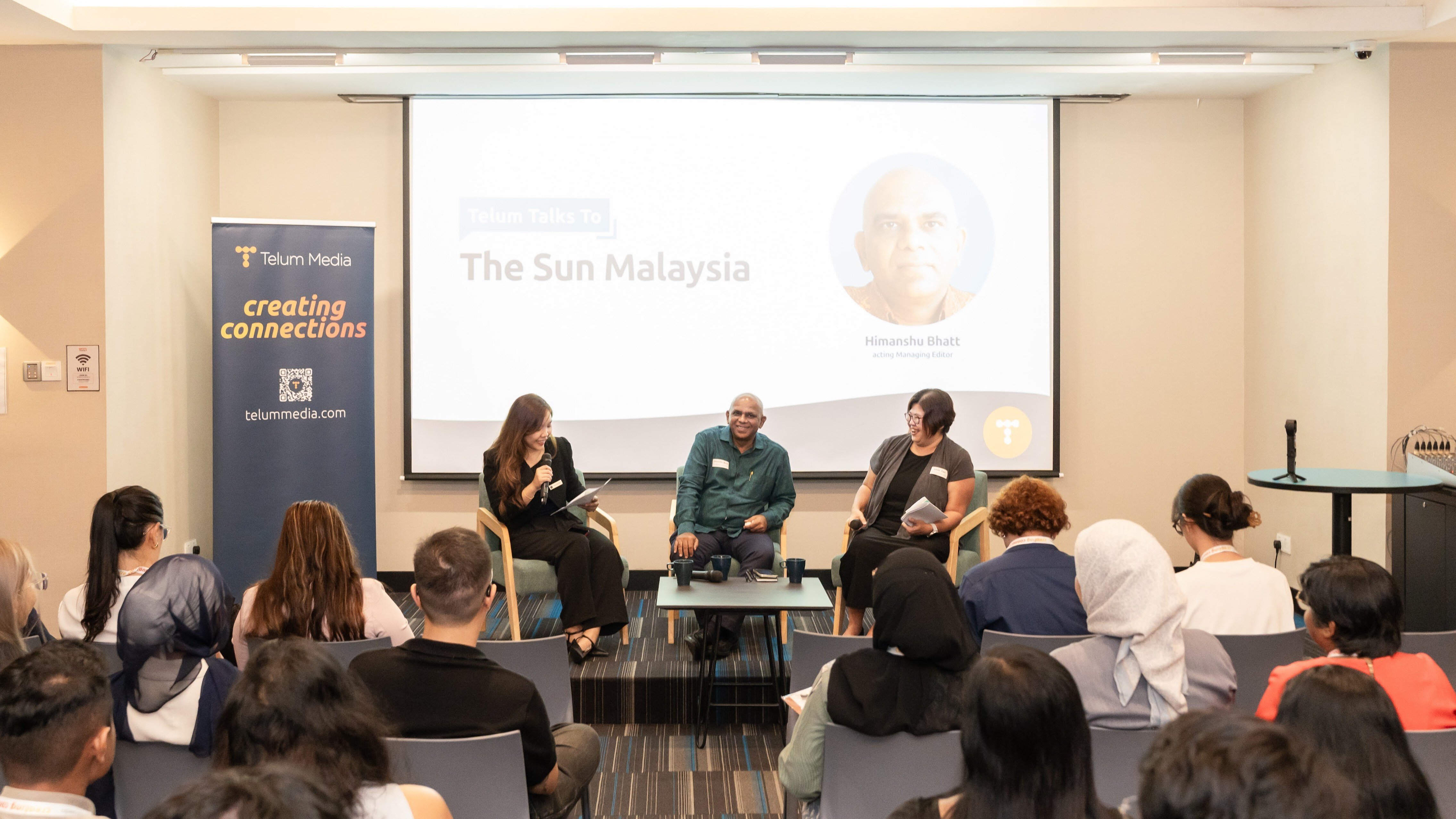
On 14th October 2026, Telum Media hosted an exclusive in-person discussion in Kuala Lumpur featuring Himanshu Bhatt, Acting Managing Editor of The Sun Malaysia. The session was also joined by Irene Tan, the publication's General Manager of Advertising and Marketing.
Moderated by Mary-Jane Tan from Telum Media, the discussion explored The Sun Malaysia’s core audience across its print and digital platforms, alongside its editorial priorities and the evolving trends shaping news consumption. More than 100 PR and communications professionals in attendance also gained insights into identifying stories that resonate with everyday readers.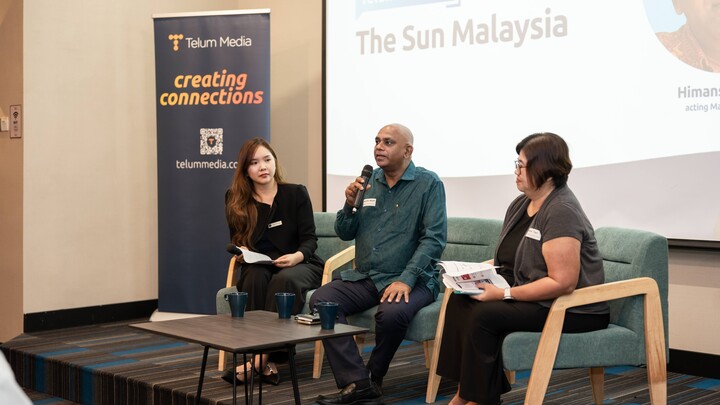
During the session, Irene urged communicators to move beyond hard-sell approaches by offering relevant knowledge, timely insights and valuable information that reflect current trends and wider public interests.
The discussion also covered how communicators can develop compelling story angles to improve their chances of securing mainstream media coverage. Tips included demonstrating a direct impact on consumers, addressing wider industry issues and offering solutions to societal challenges.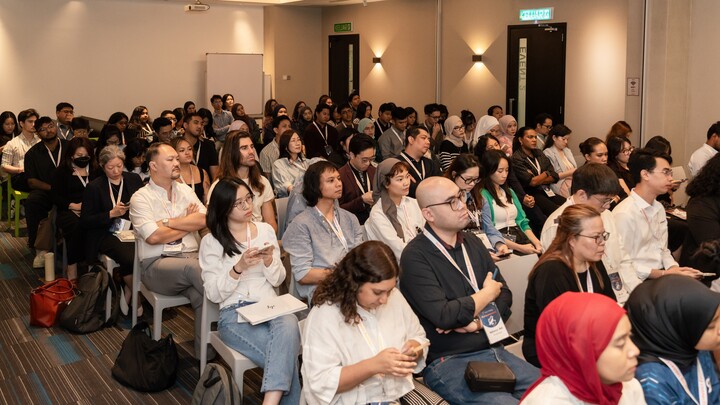
In the audience Q&A segment, communicators representing different sectors shared their respective concerns and sought editorial suggestions. The segment also addressed questions about pitching and the current media landscape.
Stay tuned for more Telum Media events by subscribing to our News Alerts for the latest updates.