

July 16th marks World PR Day, a global celebration of the people behind powerful narratives, trusted brands, and strategic reputations. At its core, PR is about storytelling: shaping perception, inspiring action, and earning attention in a crowded world.
As public relations continues to evolve alongside seismic social shifts and rapid technological progress, storytelling remains a cornerstone of effective PR. But in this fast-changing landscape, what exactly makes for good storytelling?
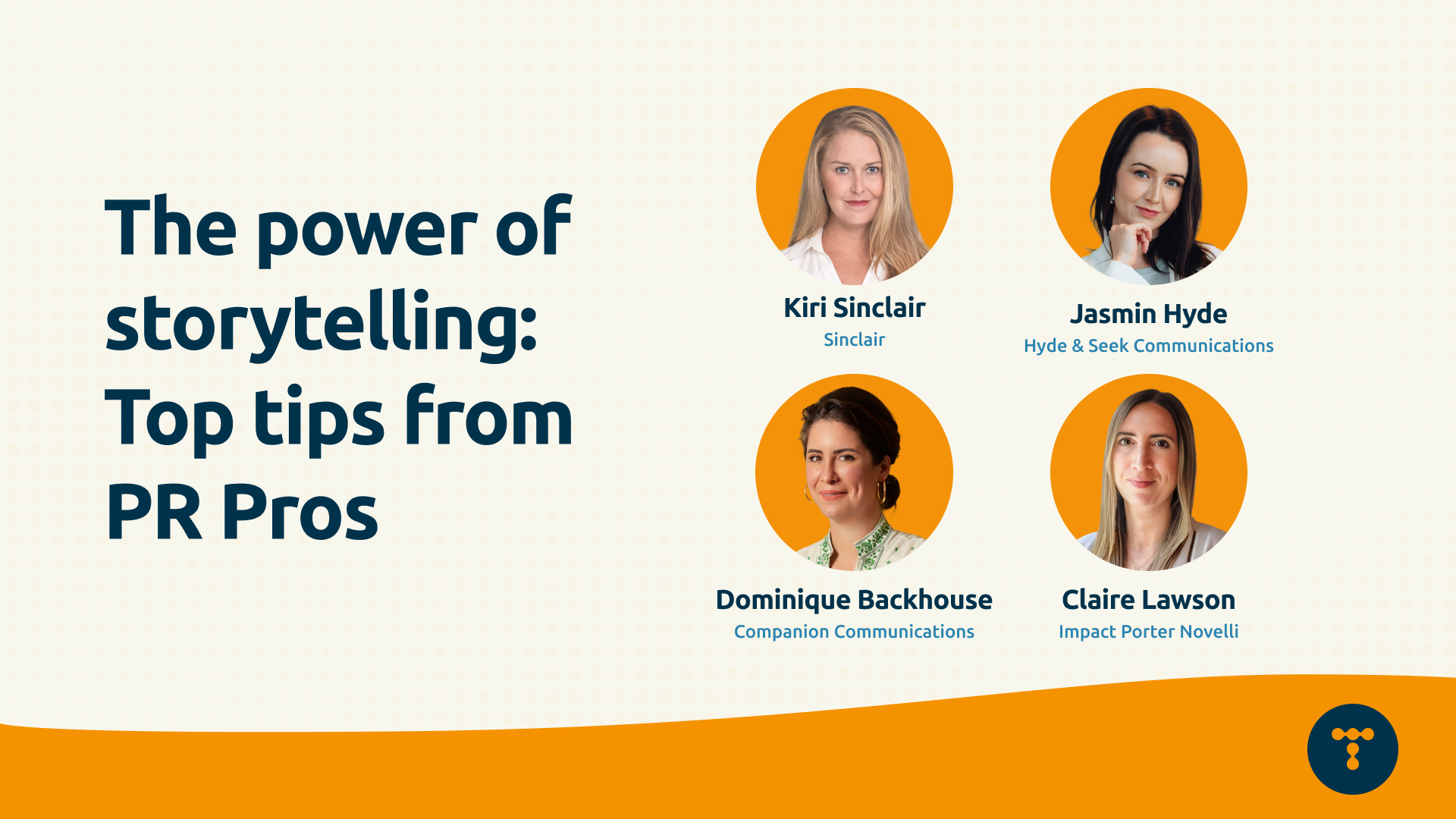
To find out, we spoke to four agency leaders across Asia Pacific and the Middle East:
1. Start with Friction, Purpose, and Human Truth
The strongest narratives start with something real - a human insight, a point of friction, or a purposeful goal.
For Claire, the key is identifying a human truth: a tension, a need, a shared experience. "It's what makes people care. Whether you're speaking to consumers, business leaders, or policymakers, relevance starts with empathy."
Jasmin adds that "friction creates momentum, and momentum builds belief," highlighting the importance of a problem or pressure point to drive the narrative.
And this is where the "why" behind a story becomes just as important as the story itself. Kiri urges communicators to link stories to business goals and measure impact across touchpoints. "Purpose-driven and strategic storytelling is the most successful, she says. "Ask: Why are we doing this? What are the objectives - awareness, trust, action?"
Great storytelling doesn't just move people - it moves outcomes.
2. Always Make It Audience-First
"Your audience is the hero...always," says Jasmin, who stresses that relevance starts by speaking their language and addressing their reality.
Kiri builds on this with a reminder of the importance of format, tone, and cultural nuance, especially in diverse regions like APAC. "The best stories meet audiences where they are."
And for Dominique, the strategy around understanding your audience should be treated like an ongoing investment. "Spend time and money researching their needs, and learn to adapt fast when those needs change."
When your storytelling is consistently shaped by the people it's meant to serve, it builds a connection that converts.
3. Let Data Define Direction
Instinct is a start, but insight is what sustains a story.
"Gut feeling isn't enough. Data gives your story direction, credibility, and edge," says Claire. Whether it's research, platform analytics, or behavioural insight, data ensures your narrative is rooted in reality.
As Kiri points out, beyond merely telling a story, you need to know if it's working. Track what matters: awareness, sentiment, engagement, conversion - then adapt.
The best stories don't just land - they learn, direct, and evolve.
4. Intent: Don't Just Tell a Story - Do Something With It
Great storytelling isn't just expressive - it's effective.
"Every narrative should do a job: shift perception, attract investment, open doors," says Jasmin. Without strategy, even the most compelling story is just noise.
For Dominique, part of that strategy is ensuring that your stories and channels align with brand values. This is how you craft stories that move beyond the moment to influence lasting impact: "Create partnerships that align closely with your values. These should bring long-term cognitive consonance over cheap thrills and quick clicks."
Ultimately, if your story isn't driving something forward, it's not moving at all.
5. Clarity, Simplicity, and Distinctive Voice
In a noisy, jargon-filled world, simplicity cuts through and personality makes it memorable.
"Great storytelling distils big ideas into clear, compelling narratives that can be easily understood and easily retold," says Claire. "If you confuse, you lose."
But clarity alone isn't enough - how you sound matters too.
"We're drowning in generic," warns Jasmin. "Great storytelling starts with a brand voice: clear, confident, and unmistakably yours."
Lose the jargon, keep the meaning, and say it like only you can.
6. Lead with Authenticity and Emotion
In an era of scepticism and scrutiny, people don't just want information; they want honesty, humanity, and feeling.
"Empty claims no longer fly," says Claire. "Your story is only as strong as the actions behind it."
Kiri echoes the power of emotional truth: "Facts inform; authenticity and emotion inspire." Whether it's joy, outrage, or empathy, connection starts with being real.
Genuine connections start with the truth. "Be true to who you are and how you stand out," Dominique concludes. Once you identify what's core to your brand and strategically build up from that, the emotions will follow.
If it's not authentic, it won't connect. If it's not felt, it won't be remembered.
7. Ensure Consistency Across All Touchpoints
Stories don't live in silos - and they shouldn't sound like they do.
"The strongest narratives are cohesive and reinforced across every channel and interaction," says Claire. Whether it's in leadership comms, social media, or earned media, integration isn't just efficient - it's essential. It builds momentum, meaning, and trust.
If your story shifts with every platform, it won't stick anywhere.
8. Collaborate to Build Community and Communications
Great stories aren't told alone; they're told with others.
"In a world of social media and AI, your story is in part told by your brand advocates," Dominique notes.
Choose partners and voices wisely and make sure they reflect your brand's truth and can extend it authentically.
"No narrative stands alone," adds Kiri, who highlights the power of collaborating internally and externally to enrich stories and build advocacy. Community thrives when people are invited to participate - through co-creation, user-generated content, or conversation.
Stories resonate deeper and travel further when they're shaped and shared together.
9. Use Influencers Strategically
Influence is more than reach; it's relevance, credibility, and connection.
"Do your research," says Kiri. "Identify the voices and visuals that truly influence your audience."
The right partners don't just extend your message - they enhance it. Authentic collaborators add third-party credibility and cultural resonance when their values and style align with your brand.
Choose storytellers that amplify your message, not just your metrics.
10. Show, Don't Just Tell
Stories don't live in words alone, they come alive through detail, texture, and experience.
Dominique puts it simply: "Don't just tell them your story - show it to them. Emotional connections happen through thoughtful details."
For sophisticated storytellers, showing is knowing when and where to consider the minutiae and conscientiously connecting those to the big picture and vision.
Whether through visuals, lived examples, or immersive moments, strategic showing brings your message to life in ways that unembellished telling cannot. People remember what they can see and feel, what they can react and connect to.
As public relations continues to evolve alongside seismic social shifts and rapid technological progress, storytelling remains a cornerstone of effective PR. But in this fast-changing landscape, what exactly makes for good storytelling?
To find out, we spoke to four agency leaders across Asia Pacific and the Middle East:
- Claire Lawson, Managing Director of Impact Porter Novelli
- Dominique Backhouse, Managing Director of Companion Communications
- Jasmin Hyde, Founding Director of Hyde & Seek Communications
- Kiri Sinclair, Founder & CEO of Sinclair
1. Start with Friction, Purpose, and Human Truth
The strongest narratives start with something real - a human insight, a point of friction, or a purposeful goal.
For Claire, the key is identifying a human truth: a tension, a need, a shared experience. "It's what makes people care. Whether you're speaking to consumers, business leaders, or policymakers, relevance starts with empathy."
Jasmin adds that "friction creates momentum, and momentum builds belief," highlighting the importance of a problem or pressure point to drive the narrative.
And this is where the "why" behind a story becomes just as important as the story itself. Kiri urges communicators to link stories to business goals and measure impact across touchpoints. "Purpose-driven and strategic storytelling is the most successful, she says. "Ask: Why are we doing this? What are the objectives - awareness, trust, action?"
Great storytelling doesn't just move people - it moves outcomes.
2. Always Make It Audience-First
"Your audience is the hero...always," says Jasmin, who stresses that relevance starts by speaking their language and addressing their reality.
Kiri builds on this with a reminder of the importance of format, tone, and cultural nuance, especially in diverse regions like APAC. "The best stories meet audiences where they are."
And for Dominique, the strategy around understanding your audience should be treated like an ongoing investment. "Spend time and money researching their needs, and learn to adapt fast when those needs change."
When your storytelling is consistently shaped by the people it's meant to serve, it builds a connection that converts.
3. Let Data Define Direction
Instinct is a start, but insight is what sustains a story.
"Gut feeling isn't enough. Data gives your story direction, credibility, and edge," says Claire. Whether it's research, platform analytics, or behavioural insight, data ensures your narrative is rooted in reality.
As Kiri points out, beyond merely telling a story, you need to know if it's working. Track what matters: awareness, sentiment, engagement, conversion - then adapt.
The best stories don't just land - they learn, direct, and evolve.
4. Intent: Don't Just Tell a Story - Do Something With It
Great storytelling isn't just expressive - it's effective.
"Every narrative should do a job: shift perception, attract investment, open doors," says Jasmin. Without strategy, even the most compelling story is just noise.
For Dominique, part of that strategy is ensuring that your stories and channels align with brand values. This is how you craft stories that move beyond the moment to influence lasting impact: "Create partnerships that align closely with your values. These should bring long-term cognitive consonance over cheap thrills and quick clicks."
Ultimately, if your story isn't driving something forward, it's not moving at all.
5. Clarity, Simplicity, and Distinctive Voice
In a noisy, jargon-filled world, simplicity cuts through and personality makes it memorable.
"Great storytelling distils big ideas into clear, compelling narratives that can be easily understood and easily retold," says Claire. "If you confuse, you lose."
But clarity alone isn't enough - how you sound matters too.
"We're drowning in generic," warns Jasmin. "Great storytelling starts with a brand voice: clear, confident, and unmistakably yours."
Lose the jargon, keep the meaning, and say it like only you can.
6. Lead with Authenticity and Emotion
In an era of scepticism and scrutiny, people don't just want information; they want honesty, humanity, and feeling.
"Empty claims no longer fly," says Claire. "Your story is only as strong as the actions behind it."
Kiri echoes the power of emotional truth: "Facts inform; authenticity and emotion inspire." Whether it's joy, outrage, or empathy, connection starts with being real.
Genuine connections start with the truth. "Be true to who you are and how you stand out," Dominique concludes. Once you identify what's core to your brand and strategically build up from that, the emotions will follow.
If it's not authentic, it won't connect. If it's not felt, it won't be remembered.
7. Ensure Consistency Across All Touchpoints
Stories don't live in silos - and they shouldn't sound like they do.
"The strongest narratives are cohesive and reinforced across every channel and interaction," says Claire. Whether it's in leadership comms, social media, or earned media, integration isn't just efficient - it's essential. It builds momentum, meaning, and trust.
If your story shifts with every platform, it won't stick anywhere.
8. Collaborate to Build Community and Communications
Great stories aren't told alone; they're told with others.
"In a world of social media and AI, your story is in part told by your brand advocates," Dominique notes.
Choose partners and voices wisely and make sure they reflect your brand's truth and can extend it authentically.
"No narrative stands alone," adds Kiri, who highlights the power of collaborating internally and externally to enrich stories and build advocacy. Community thrives when people are invited to participate - through co-creation, user-generated content, or conversation.
Stories resonate deeper and travel further when they're shaped and shared together.
9. Use Influencers Strategically
Influence is more than reach; it's relevance, credibility, and connection.
"Do your research," says Kiri. "Identify the voices and visuals that truly influence your audience."
The right partners don't just extend your message - they enhance it. Authentic collaborators add third-party credibility and cultural resonance when their values and style align with your brand.
Choose storytellers that amplify your message, not just your metrics.
10. Show, Don't Just Tell
Stories don't live in words alone, they come alive through detail, texture, and experience.
Dominique puts it simply: "Don't just tell them your story - show it to them. Emotional connections happen through thoughtful details."
For sophisticated storytellers, showing is knowing when and where to consider the minutiae and conscientiously connecting those to the big picture and vision.
Whether through visuals, lived examples, or immersive moments, strategic showing brings your message to life in ways that unembellished telling cannot. People remember what they can see and feel, what they can react and connect to.


-Sep-23-2026-02-32-38-6871-AM.png)