PR News
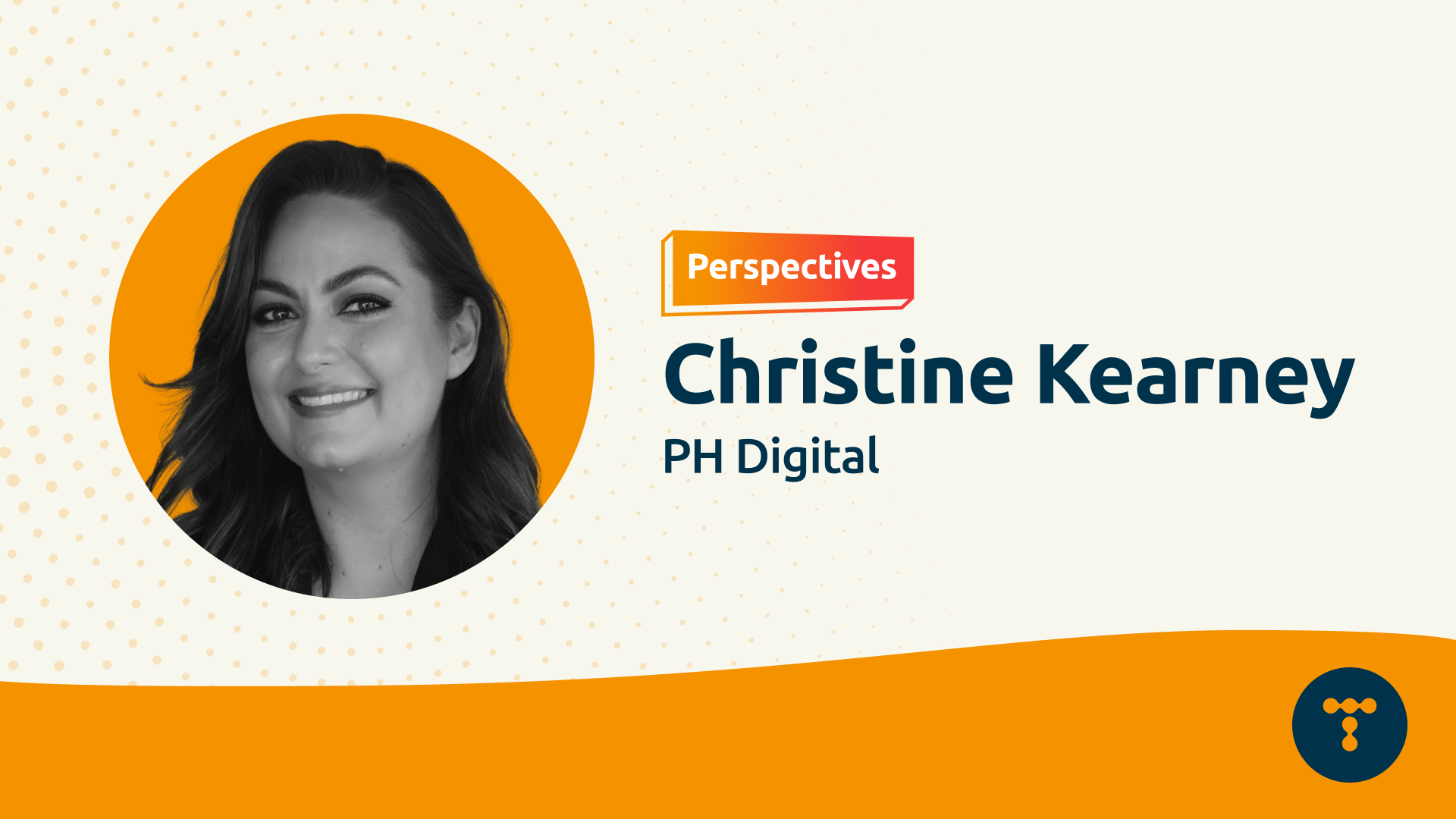
Christine Kearney

The data is not the strategy

Marketing and communications teams have never had more information, but too few can say what it changed. Most teams do not have a data problem. They have a decision-making problem.

Dashboards are full of reach, engagement, sentiment, media coverage, website traffic,
search demand, advertising performance, and customer behaviour. The data is collected,
presented, and discussed, but it often has very little influence over what the team does next.

If a metric does not change a decision, it is not an insight. It is reporting overhead. The gap appears because teams often treat measurement, analysis, and strategy as though they are the same thing.

Measurement tells us what happened, analysis helps explain why it happened, and strategy determines what we will do differently because of it.

A dashboard can tell you that something moved. It cannot tell you whether that movement matters.

A large number is not automatically a good result

Consider a campaign that generates a 40 per cent increase in engagement. That sounds positive, but the number alone tells us almost nothing.

Did the message resonate, or were people confused? Did the campaign reach the audience capable of influencing the outcome? Did engagement lead to greater trust, stronger consideration, or any meaningful action?

Now place that engagement result alongside other information.

Search queries show people repeatedly looking for clarification. The campaign landing page has a high exit rate. Customer service teams are receiving the same question. Enquiries and conversions have not moved.

The engagement was real, but it did not necessarily represent approval or intent. It may
have represented friction.

That changes the decision. The team may need to clarify the message, address the
unanswered question, improve the supporting information and then test whether behaviour changes.

Reporting the engagement increase without examining what followed it would produce the wrong conclusion.

The same applies to media coverage. More coverage is not automatically better coverage.
Share of voice is not useful if the conversation is being driven by the wrong issue. Positive
sentiment can hide concerns within a smaller but commercially or reputationally important audience.

A campaign does not become valuable simply because it generated a large number.

Channel data only tells part of the story

Marketing and communications teams often report within their own channel boundaries.

PR reports on coverage and sentiment. Social teams report on reach and engagement. Paid media teams report on ROAS and conversions. Website teams report on traffic and
behaviour. Sales and customer service hold another set of information entirely.

Each team may be reporting accurately while the organisation still misses what the customer is doing.

Channel reports show how channels behaved. Strategy needs to show how people behaved.

At PH Digital, we often find the most useful information in the relationship between different data sources. Media attention may create search demand. Paid activity may generate qualified traffic. Website behaviour may reveal a point of confusion. CRM and sales data then show whether any of that interest became commercially valuable.

Looking at one source in isolation can lead to the wrong response.

If reach is strong but conversion is weak, the business may not need more awareness. It
may need a clearer offer, stronger proof, or a better customer journey. If website traffic is falling but conversion remains strong, the issue may be demand generation. If customers purchase once but do not return, the greatest opportunity may sit in retention rather than acquisition.

Each is a different problem requiring a different investment.

Start with the decision

The usefulness of the data depends on the quality of the question being asked. Before opening a dashboard, teams should define the decision they are trying to make.

Are we trying to determine which audience matters most? Why a message failed to land?
Where budget should be directed? Whether communications activity is needed at all?

Without a clear question, reporting becomes a search for numbers that make the activity
look successful.

Every meaningful finding should be translated through three steps:

  • The signal: What changed, for whom and compared with what?

  • The meaning: Why do we think it changed, and what other evidence supports that
    conclusion?

  • The decision: What will we stop, start or change as a result?

The decision should have an owner, a timeframe, and a way to test whether it worked. That is the difference between reporting data and using it.

Data must be allowed to challenge the plan

The most valuable data is often the information that contradicts what the team expected to see.

Perhaps the audience cares about a different issue. Perhaps the message intended to build confidence created more questions. Perhaps a stakeholder group assumed to be important had little influence over the outcome.

The job is not to make the data fit the strategy. It is to change the strategy when the
evidence tells us we were wrong.

This is difficult in organisations where reporting is treated primarily as proof of success. Conflicting evidence gets explained away, positive metrics are elevated and the next
campaign follows the same structure.

Strong teams create enough space to say, "We expected this, but the evidence is showing us something else." They then act on it.

Sometimes the correct decision is that marketing or communications cannot solve the
problem. If dissatisfaction is being caused by pricing, product quality, service delivery or an operational failure, more promotion may amplify the issue.

The business may need to fix the source of the problem before asking the communications team to change the story around it.

Change the report

Closing the translation gap does not require another platform. It requires a different reporting conversation.

Every report should answer:

  • What did we learn?

  • Why does it matter?

  • What are we changing?

  • How will we know whether that decision worked?

Metrics that cannot inform one of those questions should be moved out of the main
discussion. Reporting should not be an archive of activity. It should be a tool for deciding where the organisation places its next dollar, hour, and message.

AI will continue to make data faster to collect, summarise and compare. It will not remove the need for commercial context, critical thinking, human judgement, and strategy.

The teams creating the most value will not be those with the biggest dashboards. They will be the ones that can look at the information in front of them and make a better decision because of it.

Perspectives is a Telum Media submitted article series, where diverse viewpoints spark thought-provoking conversations about the role of PR and communications in today's world. This Perspectives piece was submitted by Christine Kearney, Partner & Chief Executive Officer at PH Digital, a specialist digital growth agency working with ambitious brands across retail, fashion, beauty, lifestyle, hospitality, and professional services.

Christine leads PH’s commercial and strategic direction, helping businesses connect performance marketing, search, customer behaviour and revenue data to make stronger growth decisions. She is particularly focused on closing the gap between reporting and action, ensuring data is used to identify commercial problems, test assumptions and direct investment towards the areas capable of generating meaningful returns. Christine is also a regular commentator on digital performance, business growth and leadership, drawing on more than 15 years of experience building brands and scaling businesses across the globe

 

Previous story

Telum Talks To: Fortune

You might also enjoy

Telum
Events

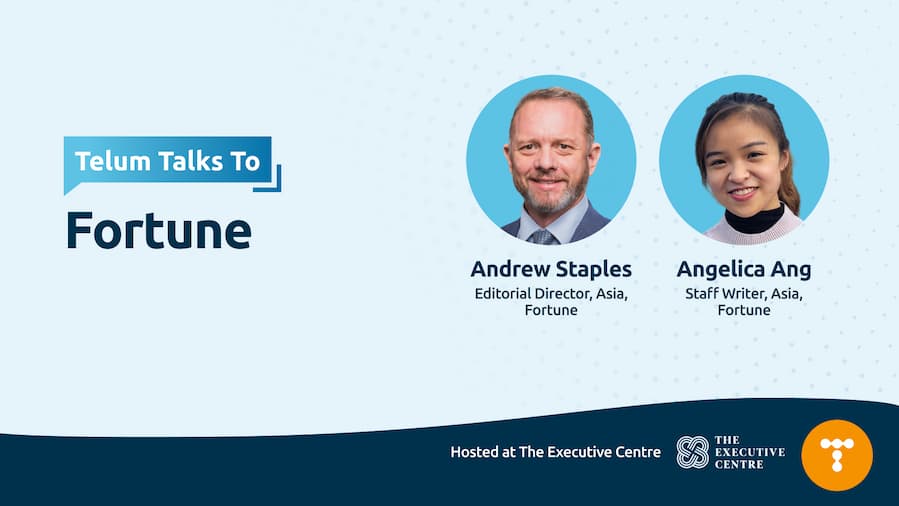
Telum Talks To: Fortune

Get an inside look at Fortune’s editorial priorities in Asia. Join Andrew Staples, Editorial Director, Asia, and Angelica Ang, Staff Writer, Asia, for an exclusive conversation in Singapore on the stories that matter and the pitches that stand out.

Discover how Fortune approaches business, leadership and corporate stories, who it writes for, and what captures its newsroom’s attention.

Designed for communications and PR professionals, this session offers practical advice on finding newsworthy angles, sharpening your pitches and building lasting relationships with Fortune’s editorial team.

Date: Tuesday, 17th November 2026
Time: 3:00PM  - 5:30PM  GMT+8
Venue:  The Executive Centre, Level 49 - One Raffles Quay, North Tower 048583 Singapore

Register for Telum Talks To: Fortune

The
The Earned View

The missing person in your media pitch

Several times recently, a journalist has liked the research, the expert commentary, and the angle, then asked almost straight away whether we could connect them with someone with lived experience.

In some cases, whether the story goes ahead depends on the answer.

That request can expose a gap in the campaign. The research is signed off. The spokesperson is available. The pitch has been through three rounds of approvals. The person whose experience would make the story tangible is still somebody we need to find.

By then, the journalist is working to a deadline and the client is wondering why the agency needs more time.

There is a scoping problem here. Access to credible people is part of what makes a story reportable, and the work required to secure it deserves a place in the plan and the budget.

The person has to stand up to scrutiny

The distinction matters in a media environment where even the existence of a source can require investigation. On 18 September, Press Gazette reported that it could not verify the existence of a supposed art therapist who had appeared in the media more than 30 times. Its analysis suggested her photograph and much of her output were AI-generated. Qwoted removed her profile, alongside another expert’s, after finding breaches of its authenticity policies.

That investigation concerns expert sources. The relevance extends to anyone we put forward to substantiate a story: a convincing profile and a polished quote give a journalist very little assurance on their own.

I cannot say that investigation explains the requests arriving in my inbox. Journalists have always needed people who can speak from experience. It does, however, make the responsibility attached to an introduction particularly clear.

If we offer someone as a source, we should know who they are, what they can speak to, how their account can be checked, and whether they are willing to speak directly.

A case study needs a person behind it

A paragraph in a deck can describe a useful example. Turning it into an interview requires a person who understands what they are agreeing to and has something relevant to share.

For a healthcare story, that might be someone who has navigated the issue being discussed. For a technology business, it might be a customer who can explain what changed in practice, including what was difficult. For a community organisation, it might be someone whose experience helps a reader understand the effect of a policy or service.

The evidence mix depends on the story. Some announcements stand on their own. In others, lived experience helps the audience understand consequences that data and expert explanation cannot fully convey.

Across markets, local relevance matters too. An overseas customer example may demonstrate that a product works, while leaving a local journalist with questions about how it fits the people and conditions they cover.


Consent takes more than a yes

Finding a willing participant takes care. They need to understand the outlet, the likely subject of the conversation, how they might be identified, and the possibility that their experience will be discussed publicly.

They also need room to decide what they are comfortable sharing, to ask questions, and to decline. That conversation becomes harder when the request first reaches them as an urgent favour for a journalist.

We should be equally clear with the client. A participant may have mixed feelings about the experience. They may describe a problem the organisation would prefer to leave out. They may decide the interview is more exposure than they want.

Their willingness to participate should never be mistaken for agreement to deliver the brand’s preferred account.

PR can help someone prepare for an interview and understand media practice. Promises about approving the finished story, controlling its framing, or securing a brand mention create expectations the agency may have no power to meet.

The planning needs to leave space for a person to change their mind, with an honest explanation of what can still be changed at each stage. A timetable that only works if nobody hesitates is a fragile timetable.

One account has limits

There is another judgement call in selecting participants: what their experience actually demonstrates.

A checked account provides evidence about one person's experience. Research can help establish how widespread an issue is. Relevant expertise helps explain what might be driving it. Each has a different job.

A striking individual story can make an issue understandable while still being unusual. A satisfied customer can describe a real improvement without establishing that every customer will get the same result.

Good preparation includes checking what supports the account, where its limits sit, and whether the broader claim still holds. I would rather change the angle than ask someone's experience to carry a claim it cannot support.

We owe the journalist that clarity. We owe the participant care in how we present their experience.

Put access in the scope

Campaign budgets routinely account for research, messaging, spokesperson preparation, and pitching. Sourcing participants, checking their accounts, and arranging access should be just as visible.

That means identifying potential participants early, establishing who can approach them, allowing time for a proper briefing, and agreeing how quickly the client can make decisions. It also means checking availability against the actual media window.

For agencies, this is work to estimate, explain, and charge for. For clients, it is a reason to involve the people who hold customer, patient, or community relationships before the campaign launches.

When the budget or access cannot support the proposed story, the scope needs to change. We can choose a different angle, allow more preparation time, or give the client a realistic account of the opportunities available.

A journalist’s interest creates an opportunity. Our ability to supply evidence and access helps determine what happens next.

If the pitch depends on someone being willing to speak, finding and preparing that person is where the campaign starts.

Jasmin Hyde is the founder and director of Hyde & Seek Communications, a senior-led PR agency working across Australia and Southeast Asia. She advises founders and leadership teams on earned media, executive positioning and reputation, with clients across technology, healthcare, financial services, property and social impact.

Read more from our columnists in The Earned View

Gia
Moves

Gia Crowhurst starts at property group as Group Marketing Manager

Gia Crowhurst has been welcomed as Group Marketing Manager at Bachrach Naumburger Group. She was previously Senior Marketing and Communications Advisor - Regional Economic Development at the NSW Department of Primary Industries and Regional Development. Prior to this, Gia was at Gowings as Regional Marketing Manager for their North Coast shopping centre for three years, and has also gained in-house experience across the investment management, business consulting and human resources sectors.