

Fuelled by bold ideas, big ambitions and tight budgets, startups and scaleups don't typically leap at the idea of investing in PR - often believing the timing isn't quite "right". However, PR remains one of the most cost-effective ways to gain traction without a big budget. In a world where the media landscape moves at a rapid pace, is there ever really a "perfect" time to start?
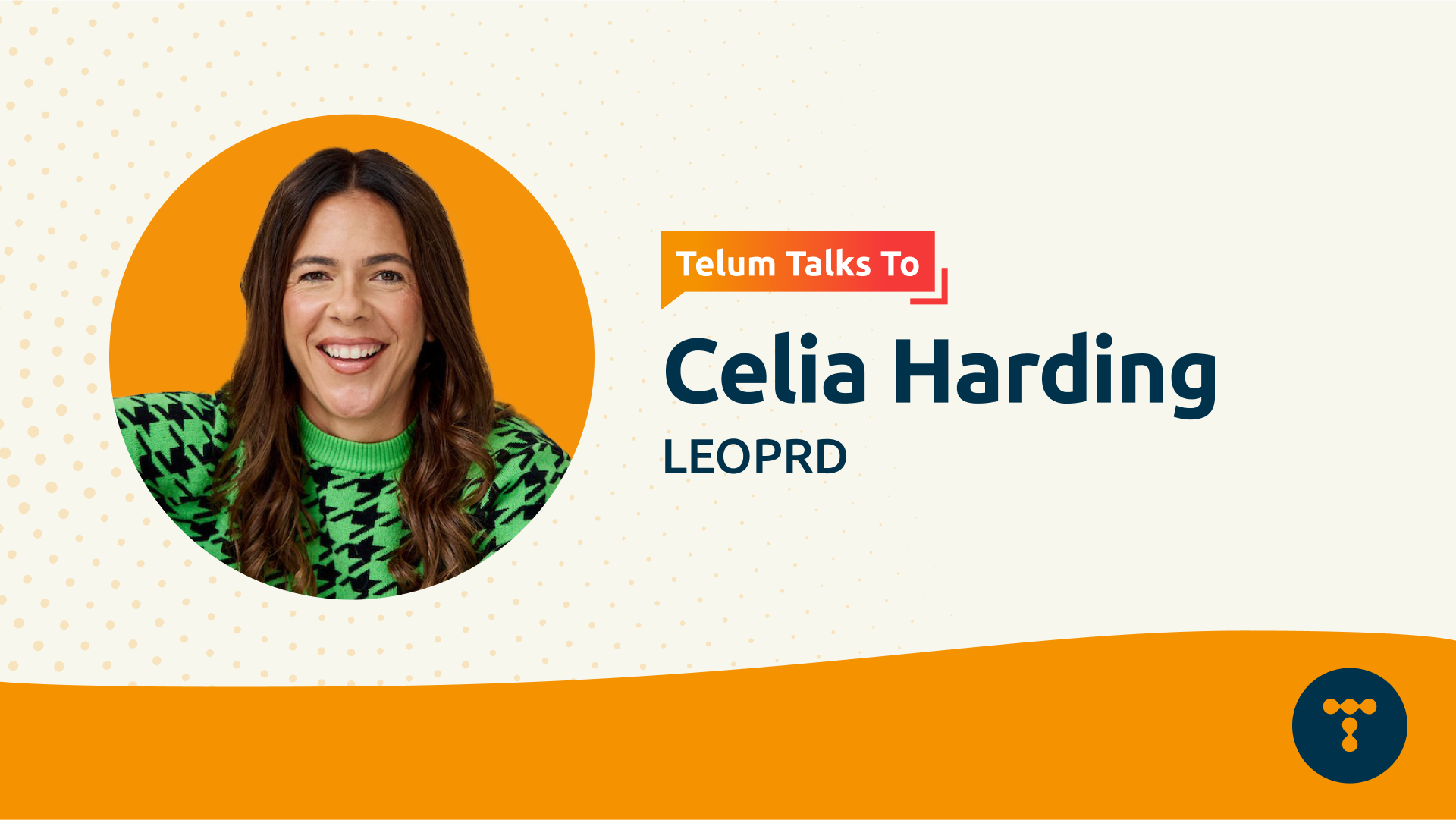
Telum spoke with Celia Harding, Founder of LEOPRD, a Language Engine Optimisation (LEO) PR consultancy that builds fame, findability and authority in the age of AI. Having worked extensively across the startup and scaleup space, Celia shares her perspective on when and how founders should approach PR, how to break into established markets, and what it takes to move beyond momentary hype to build lasting brand relevance.
Is there a "chicken and egg" dynamic when it comes to startups and PR - do they need to grow and become established before investing in PR, or is growth actually driven by making noise early on?
Founders often think they need to 'earn the right to do PR' - waiting for more followers, more traction and more funding, but the reality is the media cares more about people doing new and interesting things rather than the number of followers they've got. Startups are born out of a vision to solve an existing problem or because there is a gap in the market for what they do. You don't get attention because you're big, you scale because you earned attention early.
While every startup has their sights firmly set on a story in the Australian Financial Review, there are plenty of other media outlets out there too - some of which might be more relevant to their target audience. Startups often need to consider other PR opportunities beyond traditional media, including industry engagement, speaking gigs, reviews and the potential personal branding opportunities for the team.
What frustrates me most is when I see bootstrapped founders investing in paid ads before putting themselves forward for earned media opportunities, missing out on simple ways to drive credibility and awareness to a larger audience more cost effectively.
You work with both startups and scaleups - how different are their needs, and how does this affect the way they approach PR strategy?
Often they have similar goals - credibility, visibility, relevance. Startups want to show they are a player, while scaleups want to show they are a category leader.
After scrappy beginnings, there comes a point when both startups and scaleups have their roadmap nailed and want to give things a bigger push (normally around four years in). They realise they didn't do enough around their initial launch and now want more people to know who they are and what they do - either ahead of a fundraising round, new product launch or when competitors have been making noise and they've been too quiet.
It's relatively hard for startups to break into an established market with harsh competition. What would their priorities be with PR, and what are some core things they should focus on?
Be super focused - clarity kills noise. Know their edge. Know who cares. And know how to sum up what they do in one sentence. Beyond that, every founder should be mining their team, product and data for earned media stories - be it founder backstory, usage trends, customer wins, or cultural relevance.
In the age of AI, PR is no longer just about humans. It’s about machines finding you, too. As people move away from Google and use large language models (LLMs) like ChatGPT to research and make purchasing decisions, brands need to ensure they are part of the recommendations they provide, otherwise they risk being erased from the conversation entirely.
What they need to understand is that these models care more about what other people say about you, than what you say yourself - with earned media driving over 62 per cent of LLM responses. Meanwhile, Meta ad content isn't being scraped or cited.
Some startups gain short-term hype during their initial phase and struggle to capitalise on the attention. How can PR help ensure long-term success rather than momentary hype?
One splashy headline doesn't build authority. Startups need an always-on press office mindset, think about industry commentary, campaigns and category signals to build trust and credibility. You can't be a one-hit wonder and expect to win long-term. Consistency for the win.
With LLMs focusing on recency for their recommendations, this is more important than ever.
You've helped out various startups and scaleups across different industries. Which sector has been the most challenging and why?
We are deliberately industry agnostic - it keeps our thinking fresh and enables us to ask the simple questions others overlook, which usually leads to the smartest angles. Some industries are harder than others - but if they've found a customer base, we'll find ways to reach them.
Telum spoke with Celia Harding, Founder of LEOPRD, a Language Engine Optimisation (LEO) PR consultancy that builds fame, findability and authority in the age of AI. Having worked extensively across the startup and scaleup space, Celia shares her perspective on when and how founders should approach PR, how to break into established markets, and what it takes to move beyond momentary hype to build lasting brand relevance.
Is there a "chicken and egg" dynamic when it comes to startups and PR - do they need to grow and become established before investing in PR, or is growth actually driven by making noise early on?
Founders often think they need to 'earn the right to do PR' - waiting for more followers, more traction and more funding, but the reality is the media cares more about people doing new and interesting things rather than the number of followers they've got. Startups are born out of a vision to solve an existing problem or because there is a gap in the market for what they do. You don't get attention because you're big, you scale because you earned attention early.
While every startup has their sights firmly set on a story in the Australian Financial Review, there are plenty of other media outlets out there too - some of which might be more relevant to their target audience. Startups often need to consider other PR opportunities beyond traditional media, including industry engagement, speaking gigs, reviews and the potential personal branding opportunities for the team.
What frustrates me most is when I see bootstrapped founders investing in paid ads before putting themselves forward for earned media opportunities, missing out on simple ways to drive credibility and awareness to a larger audience more cost effectively.
You work with both startups and scaleups - how different are their needs, and how does this affect the way they approach PR strategy?
Often they have similar goals - credibility, visibility, relevance. Startups want to show they are a player, while scaleups want to show they are a category leader.
After scrappy beginnings, there comes a point when both startups and scaleups have their roadmap nailed and want to give things a bigger push (normally around four years in). They realise they didn't do enough around their initial launch and now want more people to know who they are and what they do - either ahead of a fundraising round, new product launch or when competitors have been making noise and they've been too quiet.
It's relatively hard for startups to break into an established market with harsh competition. What would their priorities be with PR, and what are some core things they should focus on?
Be super focused - clarity kills noise. Know their edge. Know who cares. And know how to sum up what they do in one sentence. Beyond that, every founder should be mining their team, product and data for earned media stories - be it founder backstory, usage trends, customer wins, or cultural relevance.
In the age of AI, PR is no longer just about humans. It’s about machines finding you, too. As people move away from Google and use large language models (LLMs) like ChatGPT to research and make purchasing decisions, brands need to ensure they are part of the recommendations they provide, otherwise they risk being erased from the conversation entirely.
What they need to understand is that these models care more about what other people say about you, than what you say yourself - with earned media driving over 62 per cent of LLM responses. Meanwhile, Meta ad content isn't being scraped or cited.
Some startups gain short-term hype during their initial phase and struggle to capitalise on the attention. How can PR help ensure long-term success rather than momentary hype?
One splashy headline doesn't build authority. Startups need an always-on press office mindset, think about industry commentary, campaigns and category signals to build trust and credibility. You can't be a one-hit wonder and expect to win long-term. Consistency for the win.
With LLMs focusing on recency for their recommendations, this is more important than ever.
You've helped out various startups and scaleups across different industries. Which sector has been the most challenging and why?
We are deliberately industry agnostic - it keeps our thinking fresh and enables us to ask the simple questions others overlook, which usually leads to the smartest angles. Some industries are harder than others - but if they've found a customer base, we'll find ways to reach them.
-1.jpg)

.png)