

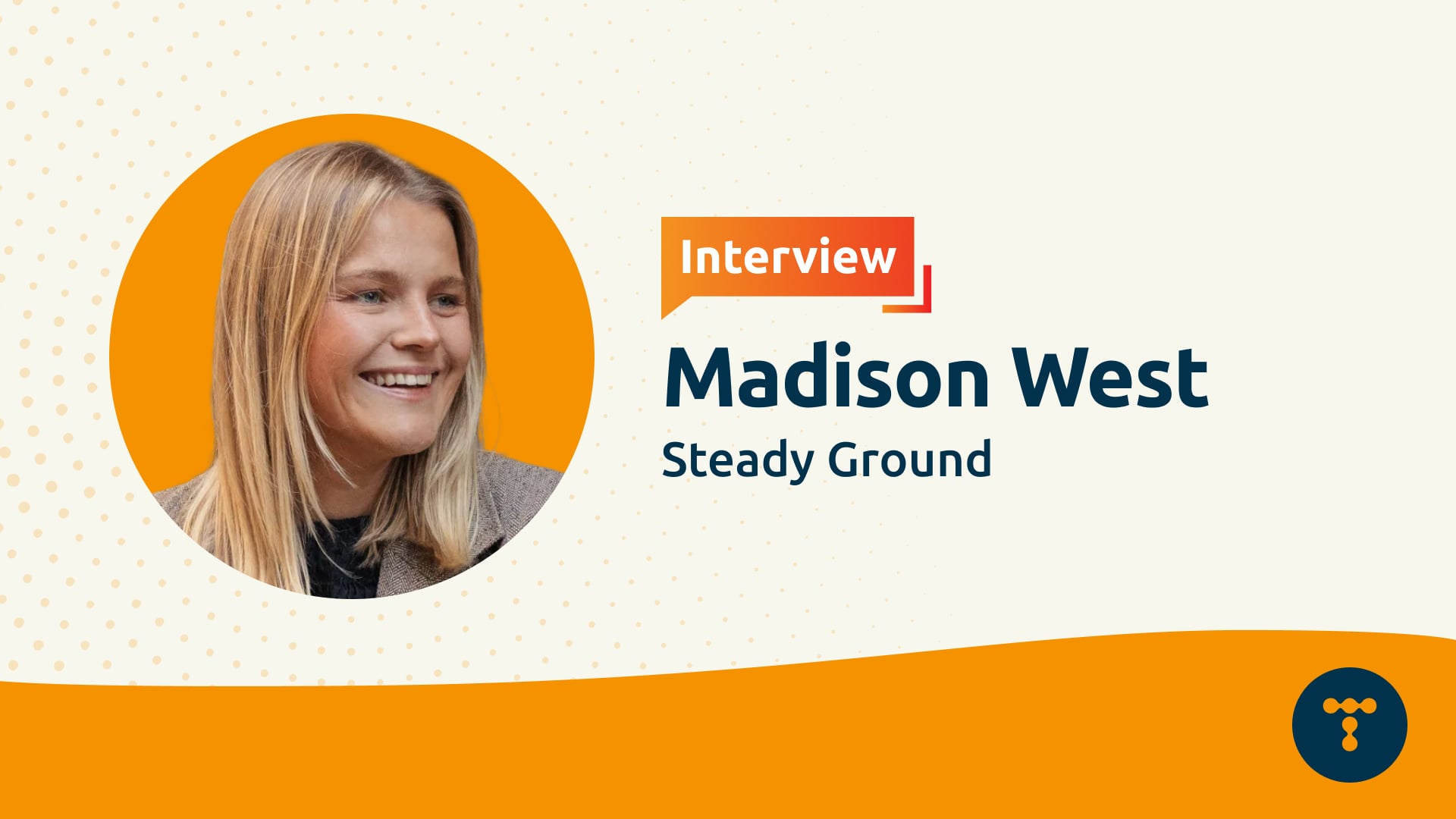
NAIDOC Week is an annual national celebration of Aboriginal and Torres Strait Islander peoples, history, culture, and achievements. In 2026, NAIDOC Week will run from 5th to 12th July, with the theme “50 Years of Deadly“ marking five decades of honouring First Nations strength, culture, leadership, and community.
Telum Media spoke with Madison West, Agency Director of Steady Ground, on how multicultural Australia, including international businesses and organisations in the country, can create genuine and meaningful ways to communicate about First Nations histories, cultures, and perspectives during NAIDOC Week and beyond.
How has NAIDOC Week awareness grown after five decades?
NAIDOC Week is an important opportunity for all Australians to recognise, celebrate, and learn from the histories, cultures and achievements of Australia’s First Nations peoples. This year's theme marks a significant milestone, celebrating five decades of NAIDOC Week and the recognition of the strength, resilience, leadership, and contributions of Aboriginal and Torres Strait Islander peoples.
Over the past decade in particular, NAIDOC Week has seen an increase in mainstream visibility and awareness in the lead-up to and following the 2023 Voice Referendum. What we have seen since the Referendum is a spotlight on important national conversations, but there is still so much more work to do. We must see these conversations continue daily, not just during NAIDOC Week.
As Australia marks 50 years of NAIDOC Week, we are reminded of the enduring strength of First Nations peoples and the importance of continuing to advocate for the rights, interests, and aspirations of Aboriginal Communities across the nation. This is something we do at Steady Ground, and we are proud that our work supporting Aboriginal Communities contributes to keeping these important conversations on the daily news agenda.
International brands and organisations entering the Australian market might not be familiar with NAIDOC Week or First Nations communications. How should they navigate this space for the first time?
Aboriginal affairs is incredibly complex and nuanced, which means there is a critical need for brands and organisations to partner with specialists in the space who understand the landscape, have deep knowledge of the history and culture of First Nations peoples, and proven experience navigating the complex challenges that can arise.
Time and time again, we see many brands and organisations fall into the trap of developing a Reconciliation Action Plan (RAP) and adding an Acknowledgement of Country to presentations, documents, and events, as a marker for how they can support Aboriginal Communities. While these are all great steps, they represent the baseline of what can be done.
Support for, and engagement with, First Nations communities extends far deeper than this. Brands and organisations need to work alongside First Nations peoples and specialists to ensure the histories and cultures of First Nations peoples inform their work every day of the year.
How can organisations and individuals communicate about NAIDOC Week in ways that resonate with culturally diverse audiences while maintaining the depth, nuance, and integrity of First Nations stories and perspectives?
Australia is home to the world’s oldest continuous living culture, spanning more than 65,000 years. Our First Nations peoples have been denied a rightful place in this country time and time again, all the way up to and beyond the 2023 Voice Referendum.
NAIDOC Week is an opportunity to support, amplify, and celebrate First Nations culture and stories. It should be the launchpad for year-round conversations, awareness, and learning. While NAIDOC Week is the first touchpoint, it’s up to every person in Australia, regardless of their culture and background, to commit to driving conversations forward.
We encourage Australia’s multicultural community to use NAIDOC Week to begin the journey of understanding. Read the Uluru Statement from the Heart or follow an Aboriginal organisation on social media. Be informed. Be curious. These are all starting points to gain an understanding.
When it comes to Indigenous-led storytelling, there is an increasing emphasis on ensuring First Nations people are actively involved in shaping the narrative. How can brands and organisations collaborate meaningfully without appearing to capitalise on the moment?
Tokenism is rife when it comes to supporting Australia’s First Nations people and while initiatives are typically introduced with good intentions, they don’t actually move the needle. More work and a deeper contribution is required to make an impact.
For communication professionals, these can be small, tangible steps that make a difference. For example, engaging with, booking and collaborating with First Nations influencers, content creators and media personalities (and paying them for their time and output), ensuring your team is familiar with Supply Nation, and proactively engaging with First Nations communities and businesses, thought leaders and advocates to inform the approach in campaign planning and communication strategies.
It also means donating to and supporting Aboriginal organisations, charities and initiatives, employing and giving opportunities to First Nations people, using your platform to amplify important messaging, engaging with Traditional Owners and First Nations peoples when it comes to physical events, and consulting directly with First Nations communities to ensure that communications that reach First Nations audiences are culturally appropriate.
What role do First Nations-led communications agencies play in helping organisations engage with NAIDOC Week and other Indigenous events, and why is that expertise so important in today's communications landscape?
The right communications partner can help you navigate complex situations and ensure your work is culturally appropriate, meaningful, and intentional. Expertise in this space comes from people with genuine connections to and demonstrated experience working with First Nations peoples. Without this support and guidance, organisations risk their communications looking insincere and performative.
At Steady Ground, we are culturally informed with a close network of Aboriginal advisors to ensure we can support Aboriginal and non-Aboriginal organisations as they advance their mission and amplify their message. As a specialist in the space with proven experience, it’s our job to provide communications context on key topics to ensure organisations have the skills, nuance, and understanding to make a legitimate impact.
For many of our clients, NAIDOC Week is more than a celebration. It is a time to reflect on the achievements of communities, honour those who have fought to advance Aboriginal rights, justice and self-determination, and acknowledge the work that continues to strengthen First Nations peoples and their communities across the country.
It is important we all collectively remember this and use NAIDOC Week to start ongoing conversations year-round.
You might also enjoy

-Sep-23-2026-02-32-38-6871-AM.png)