

As Southeast Asia’s business landscape grows more complex, boardrooms are under increasing pressure to navigate uncertainty across markets, stakeholders, and expectations. In this environment, the role of communications is beginning to shift in ways that are not always immediately visible.
Once seen as a support function, communications is now edging closer to the centre of decision-making, with some describing it as taking a ‘fifth seat’ at the table. But what does that actually look like in practice, and what does it take to earn that position?
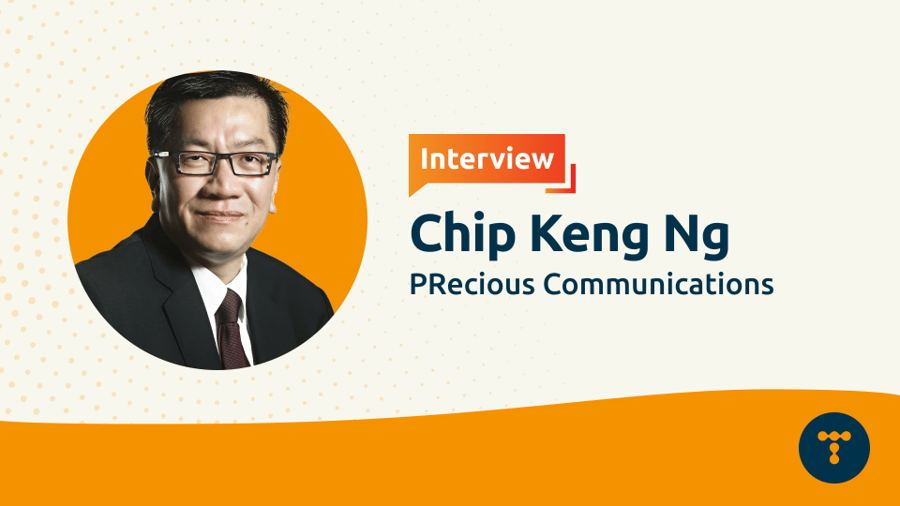
Telum Media spoke with Chip Keng Ng, Senior Vice President (Corporate & Financial) at PRecious Communications, to explore how this shift is unfolding across the region and what it means for organisations operating in an increasingly complex environment.
What is the evolving role of communications in Southeast Asia's boardrooms? How have communicators been navigating the key changes in recent years in bids for a boardroom buy-in?
Over the last decade, the role of communications has evolved beyond just media relations and stakeholder communications to strategic communications and C-suite advisory. Today, communicators in Southeast Asia advise boards and senior management on complex business challenges – including IPOs, M&A transactions, crisis management, change management and litigation.
This shift reflects a more complex global business environment shaped by geopolitical tensions, market volatility, AI disruption, and fast-changing business dynamics. Companies are also under growing pressure to meet expectations around sustainability, ESG, and diversity, which has further driven demand for experienced strategic advisors.
As businesses expand to new regions, these companies must navigate diverse cultures, business practices, and stakeholder expectations. What works in one market will not necessarily translate to another. Strategic communications play a critical role in helping organisations engage effectively across these different environments, particularly during sensitive situations such as acquisitions, legal disputes, or labour issues.
As a result, strategic communicators have moved beyond a supporting role to become part of C-suite discussions - what some refer to as the 'fifth seat' alongside the Chairman, CEO, CFO, and CMO at the boardroom table. However, earning that seat ultimately comes down to trust. Communicators must demonstrate value through clear, strategic counsel, especially in high-stakes situations, to secure buy-in from boards and senior leadership.
Once communications take the 'fifth seat', how have you seen boardroom dynamics influence the way communications strategy is developed in the organisation?
Strategic communicators are often hired for specialist knowledge and expertise, particularly during major corporate developments, and typically work alongside other advisors such as investment banks and law firms.
In these settings, it is common for board members and management teams to have similar yet differing perspectives at times. In such environments, communicators provide strategic recommendations grounded in analysis and experience handling complex assignments.
While viewpoints may vary, clients generally consider the collective advice of their advisory teams, including communications counsel, before determining the final approach.
What complexities do organisations face when operating across multiple Southeast Asian markets, and how can strategic communications help boards navigate these challenges?
As mentioned, what works in one country may not work in another. Given the differing business practices, cultures, customs, and even languages, it is imperative that companies take note of the different nuances when operating across the various Southeast Asian markets.
In one instance, I advised the CEO of a company with manufacturing plants across several Asian markets during a workers’ strike. The team initially adopted a Singapore management style, but it was not effective in the local setting. It required a more tailored engagement approach aligned with local stakeholder expectations.
This reflects a Chinese saying, “看风转向”, which translates to “the need to change according to the direction of the wind”. Strategic communicators play a key role in guiding companies on how to calibrate their approach for each market.
Where do you often see gaps in crisis preparedness or stakeholder governance at board level? How can communicators better address or advise them?
One of the most common gaps is that companies often have crisis manuals in place but fail to test or update them regularly. In other cases, companies expand into new markets without adapting their crisis preparedness frameworks to reflect new risks and scenarios. As a result, organisations may find themselves unprepared when issues arise.
Addressing this requires a more proactive approach - reviewing existing crisis plans, stress-testing them against different scenarios, and ensuring teams are trained to respond effectively. Crisis preparedness is not static; what works today may not be sufficient tomorrow as organisations face new and different challenges.
In the current climate of economic volatility and regulatory scrutiny, what conversations can communicators drive to build towards more resilient and sustainable reputations and organisations?
Companies need to take a more deliberate approach to building and maintaining trust with their stakeholders. This goes beyond reactive communications and requires sustained engagement supported by clear, consistent messaging over time.
Reputation takes years to build but can erode quickly if not actively maintained. Strategic communicators play a key role in shaping these conversations, helping organisations remain transparent, credible, and resilient in a rapidly changing environment.
Looking ahead, do you see the 'fifth seat' becoming standard practice in Southeast Asia? What will determine whether communications are embedded at board level or remain advisory?
I tend to be optimistic and strongly believe that, over time, companies will be more open to adopting the 'fifth seat' practice that strategic communicators occupy. More companies are recognising the value that strategic communications bring to boardroom discussions - influencing key decisions, strengthening stakeholder engagement, and supporting business growth and stability.
However, whether communications becomes fully embedded at the board level will depend on trust and demonstrated outcomes. Communicators must consistently show how they improve stakeholder engagement and contribute to business and operational priorities.
As decision-makers increasingly recognise this value, investment in strategic communications advisory is expected to continue growing.
Next story
Leadership transition at Edelman EMEA
You might also enjoy

-2.jpg)
.jpg)