


Weber Shandwick has announced a series of leadership and capability updates for the Chinese and Asia Pacific markets.
Corbin Hsieh (pictured left) has been appointed Head of Weber Create and Consumer Practice, APAC. He leads the expansion of Weber Create, an earned-first creative and integrated media offering that brings together influence and culture. Based in Shanghai, Corbin is to partner closely with market leaders across the region to scale creative capabilities and support client growth. Prior to this, he served as Weber Shandwick's Managing Director, China.
Commenting on his new post, Corbin said, "My passion lies in the consumer side of business, where creativity and cultural understanding drive impactful work. I am thrilled about this role and eager to expand our earned-first creative and integrated media across APAC. Our goal is to connect culture, influence, and creativity to help brands succeed in a fast-changing world."
With Corbin's appointment, Robert Magyar (pictured right) has stepped up as Acting Managing Director, China, while continuing in his role as Executive Vice President, Head of Healthcare, APAC. In this dual role, he oversees Weber Shandwick's business and client growth across the market.
"China is one of the most dynamic markets in the world, where reputation and stakeholder engagement are more important than ever," Robert said. "I am excited to build on our strong foundation here and continue supporting clients with the strategic solutions they need to succeed."
Based in Beijing, Robert brings over 20 years of business leadership experience. He has led and managed business units and advised senior executives and industry leaders across the Chinese, Indonesian, Japanese, Swiss, and American markets. Since rejoining Weber Shandwick in 2024, he has expanded its healthcare practice into one of the firm’s strongest growth pillars.
Weber Shandwick has also announced the integration of Bridge Beijing to consolidate its public policy and advisory services. Founded in 2016, Bridge Beijing is a boutique strategic comms agency for international organisations engaging with the Chinese market. The firm's portfolio includes global health organisations, philanthropic foundations, and NGOs, including a long-term partnership with the Gates Foundation.
Tyler Kim, CEO, APAC of Weber Shandwick, remarked, “These strategic leadership appointments, along with the integration of Bridge Beijing, represent a significant milestone in advancing our capabilities and deepening our commitment in China. By combining proven local expertise with the strength of our global creative network, we are uniquely positioned to deliver innovative, high-impact solutions for our clients as they navigate an increasingly dynamic market landscape."
You might also enjoy
-1.jpg)
-1.jpg)
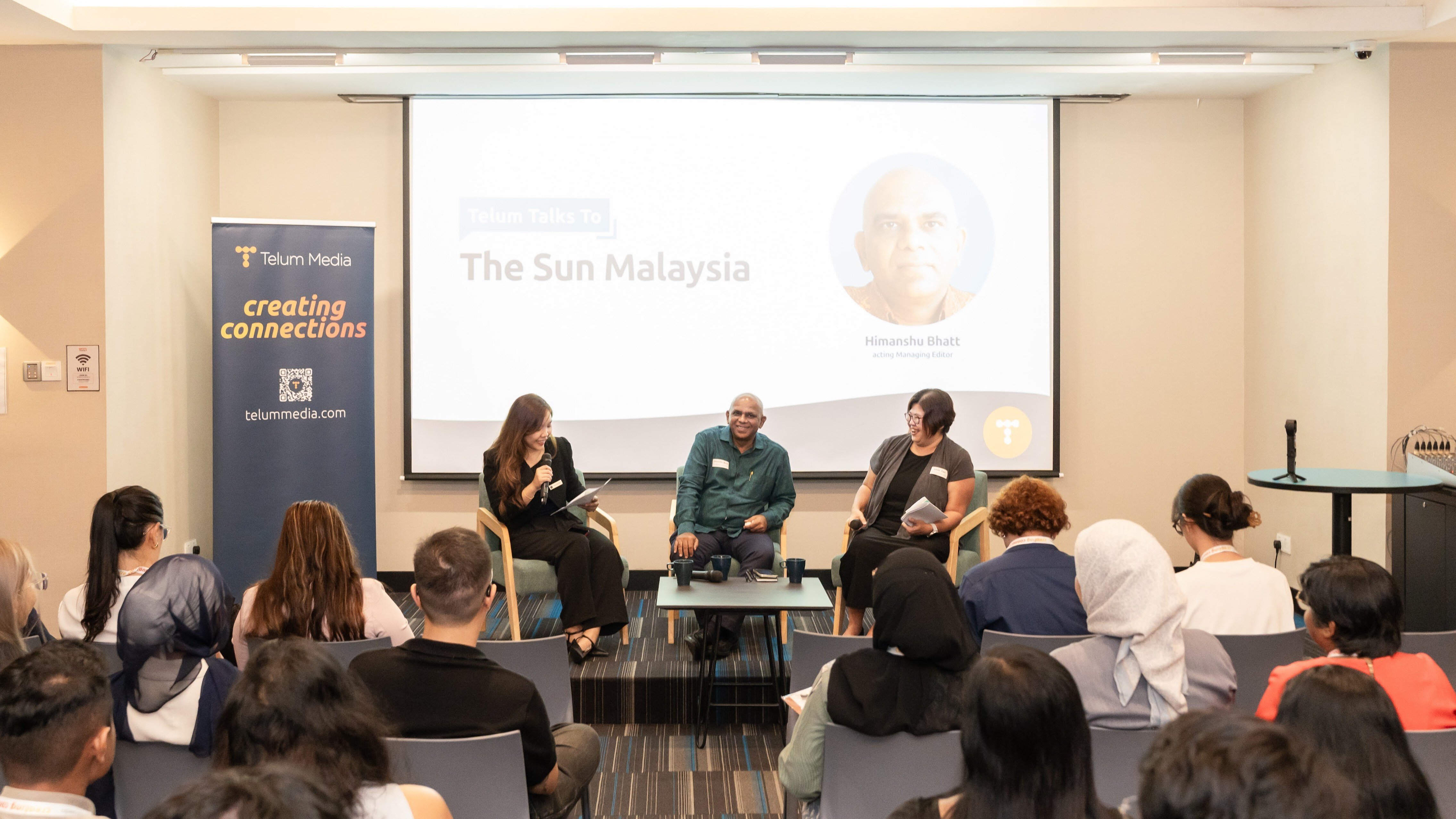
On 14th October 2026, Telum Media hosted an exclusive in-person discussion in Kuala Lumpur featuring Himanshu Bhatt, Acting Managing Editor of The Sun Malaysia. The session was also joined by Irene Tan, the publication's General Manager of Advertising and Marketing.
Moderated by Mary-Jane Tan from Telum Media, the discussion explored The Sun Malaysia’s core audience across its print and digital platforms, alongside its editorial priorities and the evolving trends shaping news consumption. More than 100 PR and communications professionals in attendance also gained insights into identifying stories that resonate with everyday readers.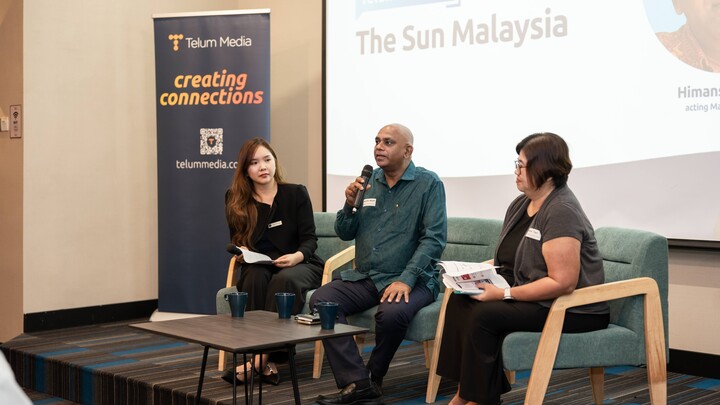
During the session, Irene urged communicators to move beyond hard-sell approaches by offering relevant knowledge, timely insights and valuable information that reflect current trends and wider public interests.
The discussion also covered how communicators can develop compelling story angles to improve their chances of securing mainstream media coverage. Tips included demonstrating a direct impact on consumers, addressing wider industry issues and offering solutions to societal challenges.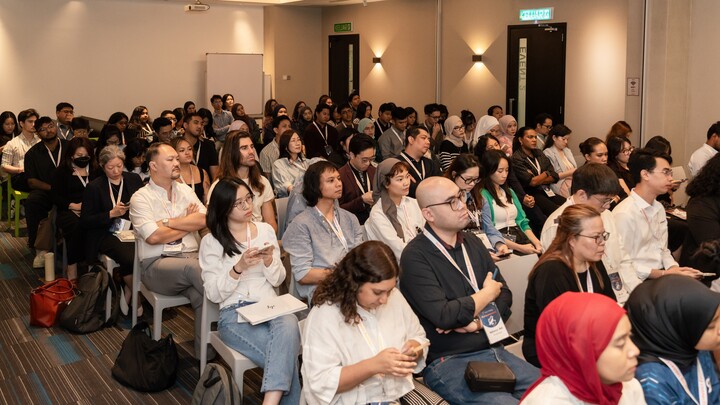
In the audience Q&A segment, communicators representing different sectors shared their respective concerns and sought editorial suggestions. The segment also addressed questions about pitching and the current media landscape.
Stay tuned for more Telum Media events by subscribing to our News Alerts for the latest updates.